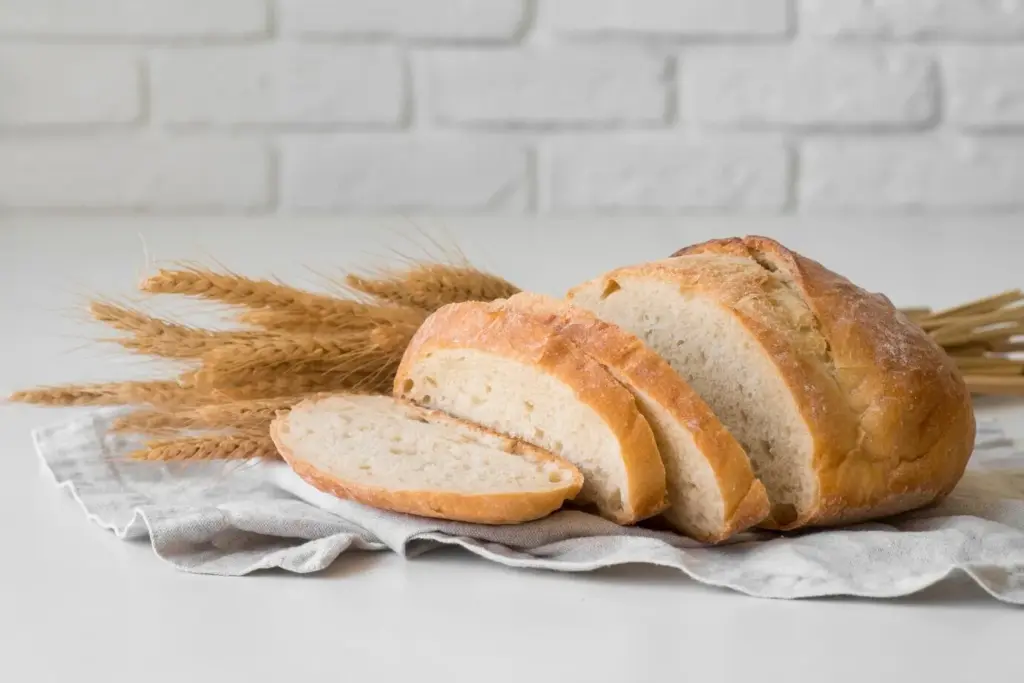
One Dough, Endless Possibilities

Time, Heat, and the Yeast Dance
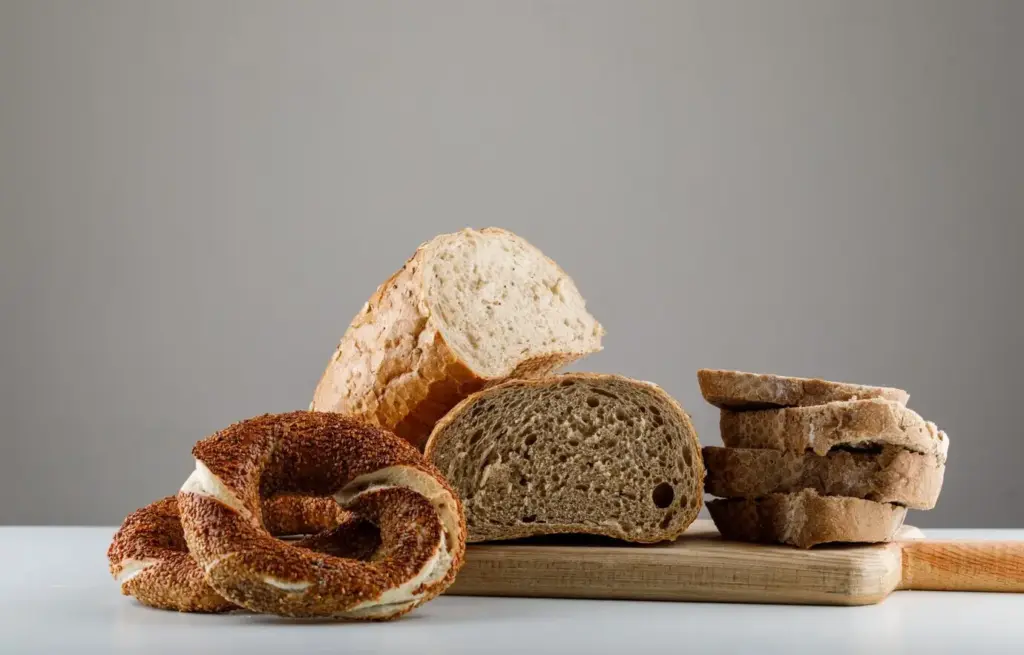
Cool and Slow
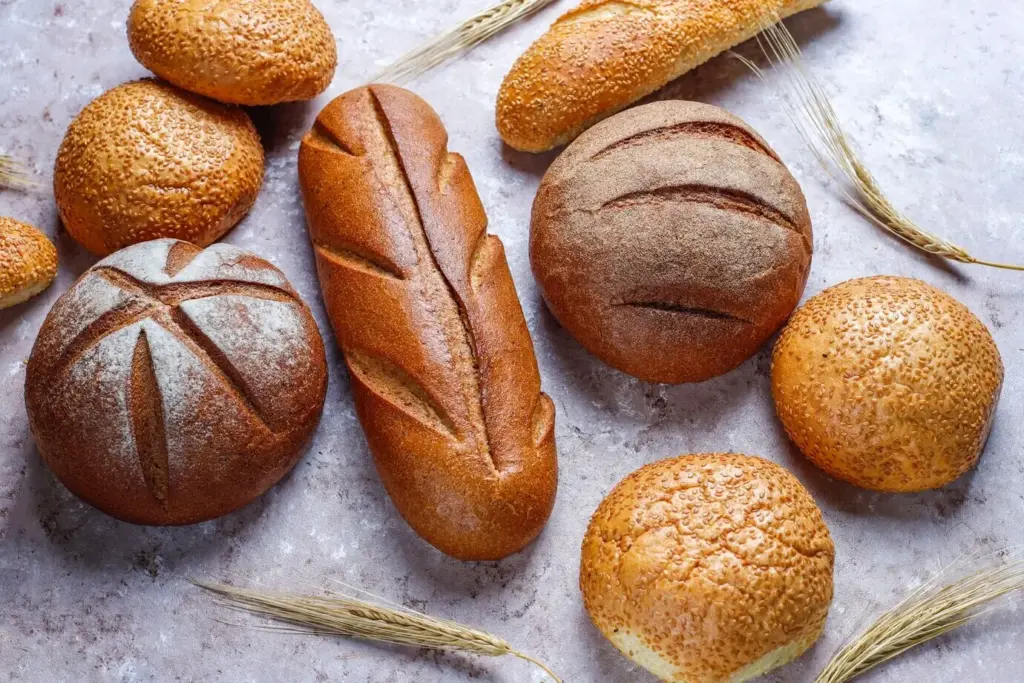
Steady and Balanced
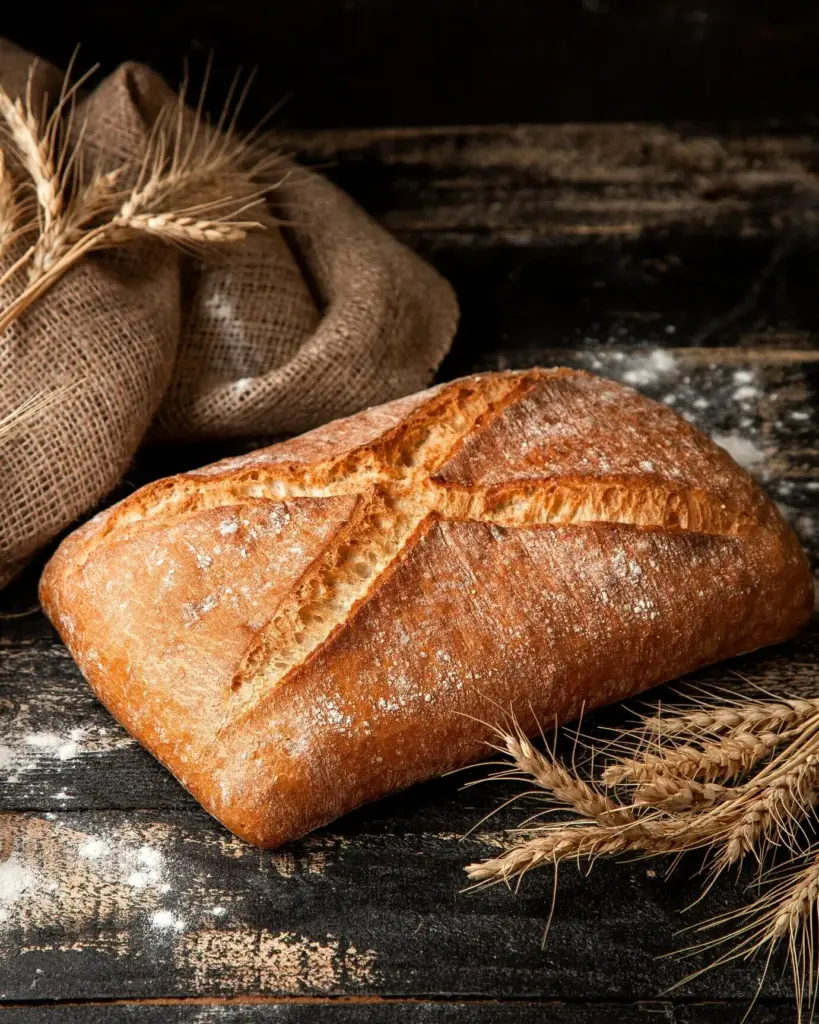
Warm and Fast
Shaping Flavor Without Changing the Formula
Cool Ferments, Layered Aromas
Room Temperature, Harmonious Notes
Warm Proofs, Fresh Cereal Brightness
Crumb, Chew, and Oven Spring
Your Fermentation Clock
When It’s Underproofed
When It’s Overproofed
Managing Temperature Drift
Dough Temperature Targets
Calculate a desired dough temperature that aligns with your timeline. Adjust water temperature to compensate for flour, room, and friction heat. Verify immediately after mixing with a calibrated thermometer. With the same dough formula, you’ll quickly see how hitting target temperature sets fermentation pace, reducing surprises. Over time, these intentional choices compound into predictable bakes, smoother folds, and scoring confidence that reflects your control rather than luck or guesswork in a changing kitchen environment.
pH and Acidity Clues
For sourdough, a simple pH meter or high-quality strips connect acidity to strength, extensibility, and flavor. Cool, slow ferments often trend toward brighter acidity, while warmer proofs produce milder profiles. Track pH during bulk and final proof to correlate taste with handling. Keeping the dough constant isolates these relationships, helping you hit preferred ranges reliably. The result is a confident bake that matches your palate and texture targets, batch after batch, under varied seasonal conditions.
Aliquot Jar and Rise Tracking
Reserve a small portion of dough in a narrow jar to monitor rise percentage and bubble development without disturbing the main mass. Note key thresholds for your kitchen—perhaps 50% for shaping, or 80% for final proof readiness. With the formula unchanged, these markers become dependable landmarks. They transform vague intuition into precise checkpoints, guiding scoring timing, steam decisions, and bake temperatures that translate fermentation progress into proud ears, open crumb, and satisfying, repeatable crust character.
Stories, Notes, and Community
A Kitchen Tale of Two Loaves
One Saturday, a baker split a single dough. Half slept in the fridge; half rose on the counter. The chilled loaf sang with caramel crust and gentle tang; the warm-proofed loaf delivered tender crumb and instant aroma. Same ingredients, different paths, both delightful. The side-by-side created lasting intuition, proving that small adjustments in hours and degrees can align perfectly with errands, guests, or late dinners without sacrificing beauty, flavor, or the joy of cutting into crackling crusts.
Share Your Results
We invite you to post photos, crumb shots, and notes describing your time and temperature choices using the same dough. Tell us what worked, where you hesitated, and which cues proved decisive. Your insights help others decode fermentation, reject unnecessary complexity, and embrace flexible scheduling. Together we’ll evolve reliable playbooks that demystify variables and deliver breads and pizzas that satisfy both weekday pragmatists and weekend dreamers who crave fragrance, texture, and flavor that feel personally crafted.
Subscribe and Experiment Together
Subscribe for practical experiments you can run with one batch: split containers, varied temperatures, synchronized bakes, and clear checklists. We’ll send simple charts, tasting prompts, and scheduling templates that meet real-life constraints without recipe gymnastics. Keep the dough constant, and let time and temperature teach you. Reply with questions, bring your triumphs and challenges, and help shape future guides that turn curiosity into confidence, batch after batch, season after season, oven after oven, crumb after crumb.