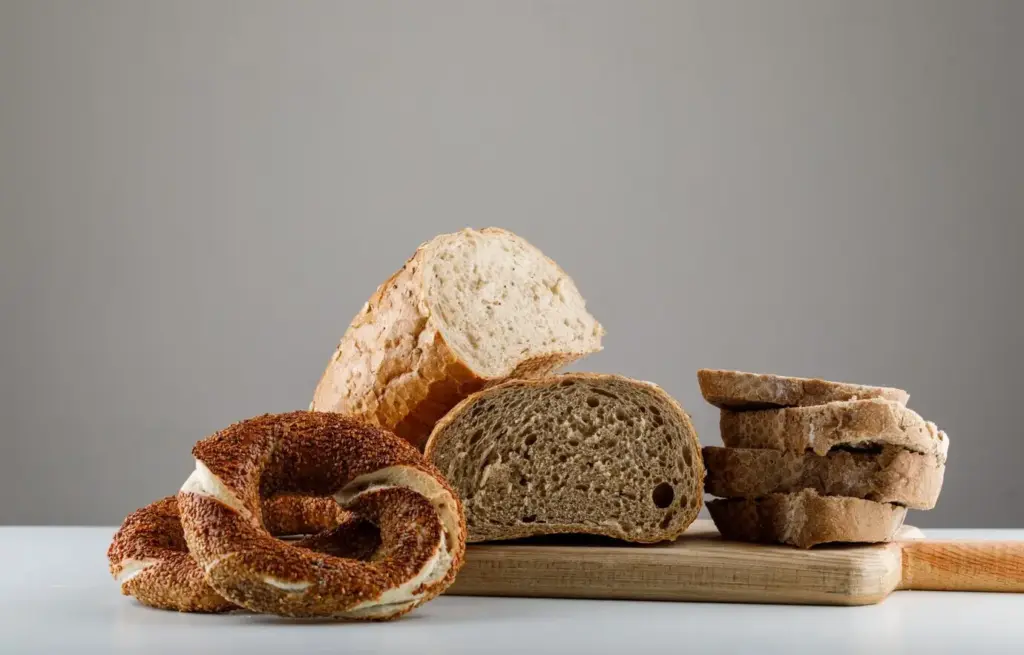
Many Loaves, One Beginning

Welcome! Today we explore One-Dough Home Bread Experiments, starting from a single versatile base and steering flavor, crumb, and crust through hydration, fermentation, shaping, and oven strategy. You will find practical steps, vivid kitchen stories, and science-backed tips that turn one mix into breakfast rolls, rustic boules, focaccia slabs, and cinnamon swirls. Gather flour, water, salt, and leaven, and let curiosity guide a playful bake that fits busy schedules without sacrificing aroma, texture, or warmth.

Hydration, Salt, and Yeast as Creative Levers

Treat the base like edible clay, bending variables to sculpt results that match your day. Small hydration changes open crumb or tighten slices; salt tunes flavor and fermentation; leaven amount sets the pace. I have split a single batch, nudged numbers by grams, and watched two personalities emerge: sandwich-friendly tenderness beside crackling, wild openness, both equally satisfying and wonderfully fragrant.

Tuning Hydration Without Collapsing Structure

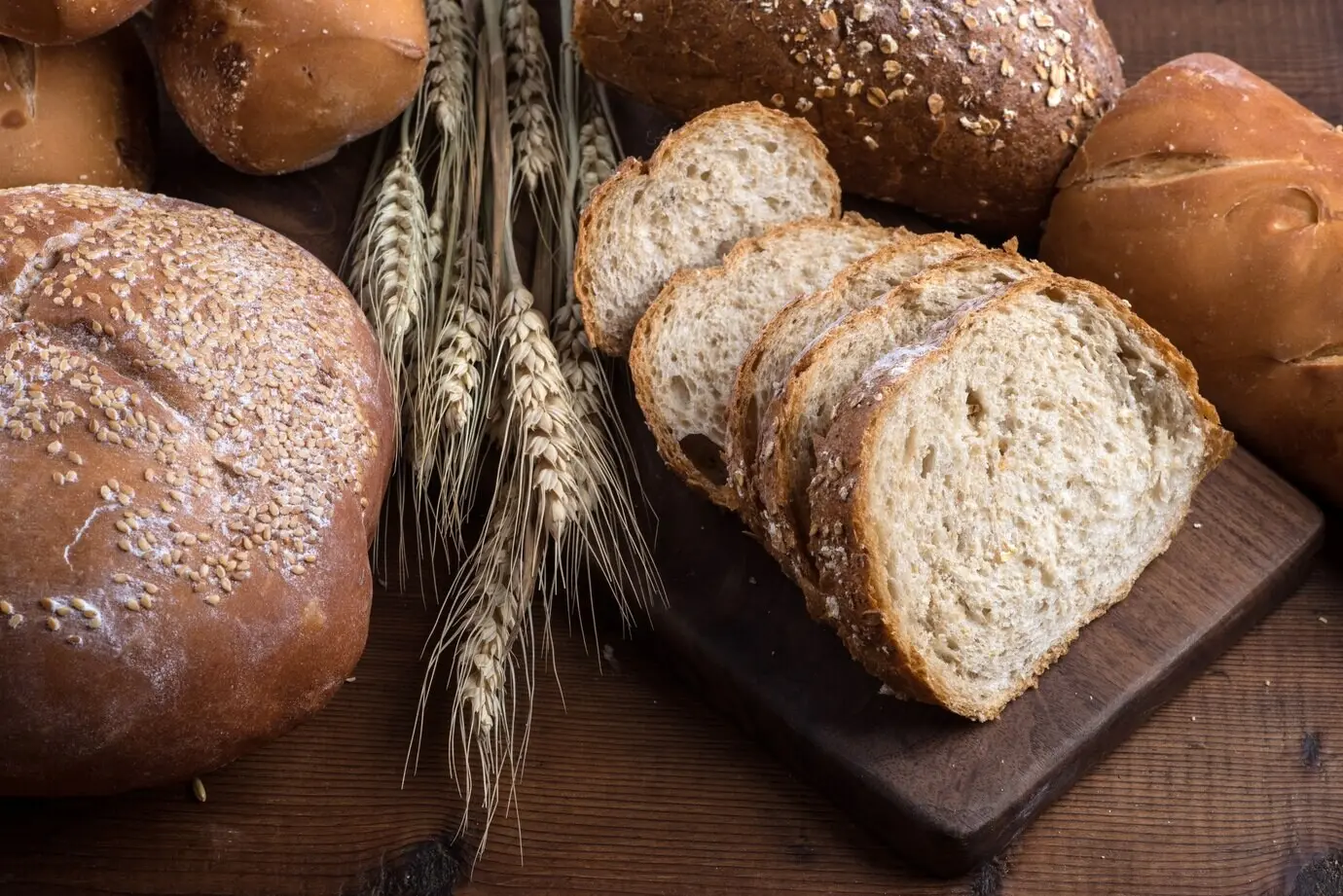
Shift from sixty-five to seventy-five percent hydration to move between sturdy slices and airy ciabatta-style openness. Use autolyse and gentle stretch-and-folds to develop gluten without tearing. Wet hands, a light bench oil, and patience prevent sticking. Windowpane checks help; if it rips, rest longer, then fold again to build strength without exhausting the dough or dulling flavor.

Salt Timing and Flavor Brightness

Aim around two percent salt by flour weight for balanced flavor and controlled fermentation. A short salt delay after autolyse boosts extensibility, then tightens gluten once added. Forgetting salt makes a flat loaf; rescue with compound butter, but keep the lesson. Briny add-ins like olives need rinsing to avoid accidentally spiking overall salinity, slowing fermentation, and overshadowing delicate wheat sweetness.

Yeast Choices and Pace Control

Instant yeast between zero point one and one percent of flour shifts timing from overnight to rapid. A lively sourdough culture around fifteen to twenty percent brings tang, resilience, and keeping quality. Cold retard between four and twenty-four hours layers flavor and eases scheduling. Keep notes, adjust inoculation to match room temperature, planned errands, and the complexity you crave.
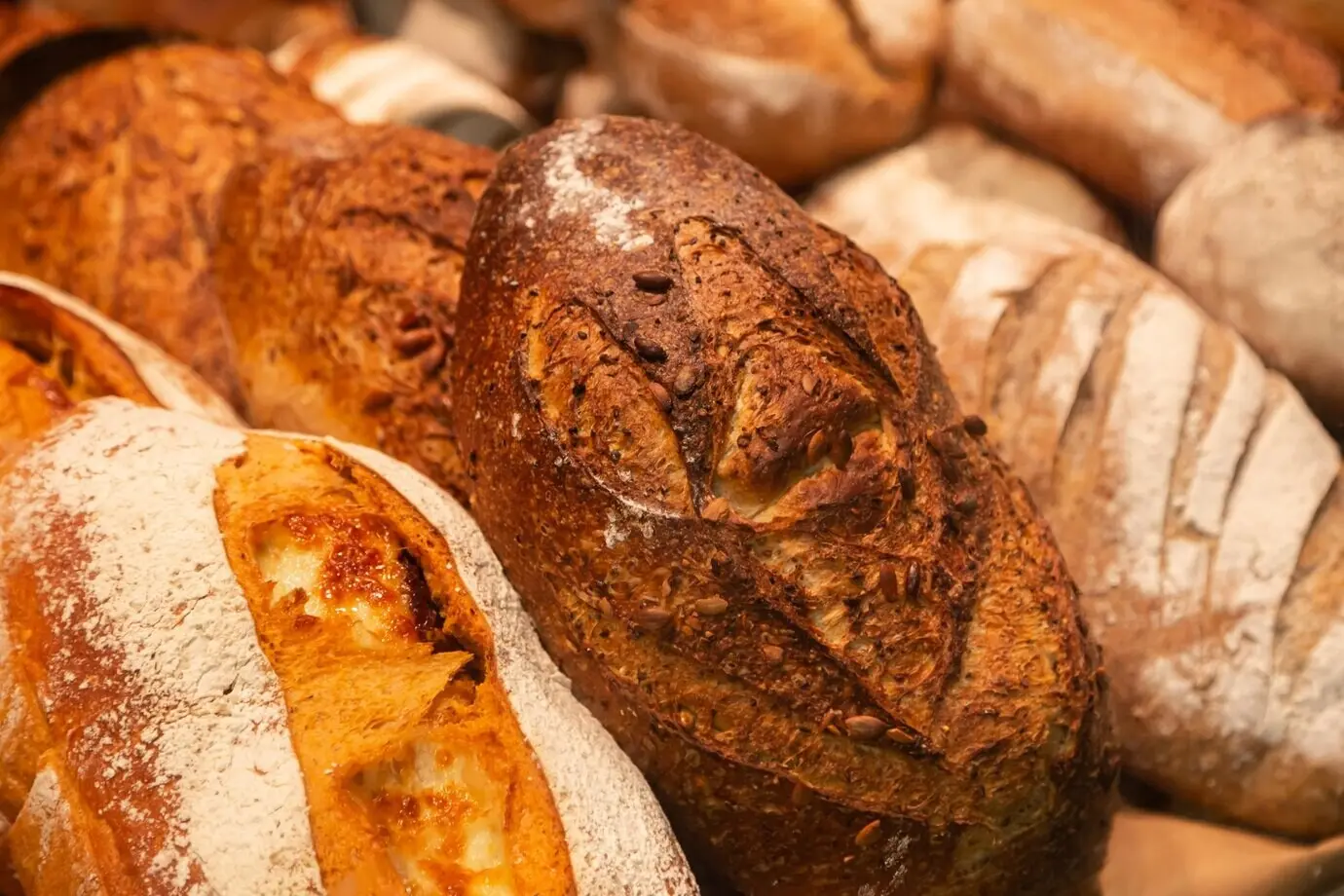
Warm Bulk vs. Cold Retard

At around twenty-six degrees Celsius, fermentation moves briskly, demanding attentive folds to prevent overproofing. A refrigerator rest calms yeast, allows enzymes to unlock sugars, and tightens scoring patterns for clean expansion. Expect scheduling freedom: shape before chilling for ready-to-bake convenience, or chill during bulk for a relaxed, flavorful morning workflow that welcomes coffee, quiet, and predictable oven spring.

Pre-ferments: Poolish, Biga, Levain

A small pre-ferment contributes aroma without abandoning the simplicity of one base mix. Stir a quick poolish or a firm biga the night before, or refresh levain early; then fold it into the main dough. Keep hydration math consistent, and your results stay predictable while flavors bloom like layered harmonies beneath a crisp, singing crust that cools contentedly.

Autolyse and Enzymatic Sweetness

Flour and water resting alone awaken enzymes that soften bran, relax gluten, and release gentle sweetness. Twenty to sixty minutes is usually enough for remarkable change. When you later add salt and leaven, the dough handles with grace. The base suddenly feels silkier, stretches farther, and bakes with coppery color hinting at toffee, hayfields, and warm afternoon sunlight.

Shaping, Scoring, and the Drama of the Oven

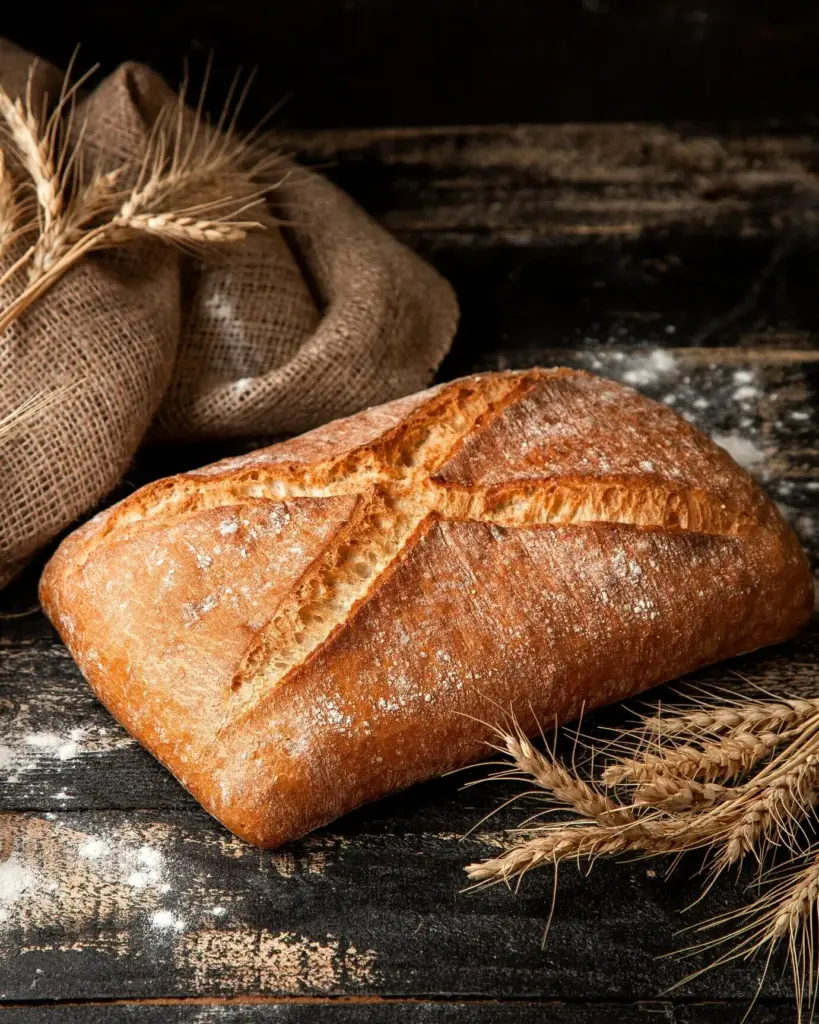
Form guides crumb, and heat becomes theatre. Strengthen surface tension for taller loaves, or relax folds for flatter, open-crumb slabs. Proof until the finger dent springs back slowly, not quickly, not lazily. Then create expansion paths with deliberate cuts and deliver steam, so the crust blisters, the ear lifts, and the kitchen smells like a tiny neighborhood bakery.

Flavor Paths: Savory, Sweet, and In-Between

With one base ready, flavor becomes a branching map. Divide portions and fold in distinct identities: roasted garlic and herbs for dinner, honey and cinnamon for breakfast, olive oil and tomatoes for snacks. Balance hydration when adding wet inclusions, and protect delicate pieces by laminating gently so the crumb stays airy, expressive, and beautifully sliceable.

Herb Oils, Garlic, and Cheeses

Infuse oil with rosemary or thyme, cool it, and fold sparingly to avoid weakening gluten. Roast garlic to sweetness and mash it thinly before laminating. Grate hard cheeses finely for even melt and bold aroma. The same base becomes pull-apart knots, golden swirls, or crisp-edged focaccia squares that mysteriously vanish during lively, laughing family dinners.

Seeds, Soakers, and Nutrition

Sunflower, sesame, flax, and pumpkin add crunch and fragrance. Soak tougher seeds or cracked grains to prevent moisture theft from the crumb. Toss with a little toasted flour for adhesion during shaping. A modest sprinkle outside advertises flavor. Slice to reveal speckles throughout, and notice how each bite lingers nutty, wholesome, and delightfully toothsome without heaviness.

Spice, Citrus Zest, and Chocolate

Cinnamon and cardamom bloom when blended with sugar and a touch of softened butter, creating fragrant ribbons inside spirals. Brighten dough with lemon or orange zest, microplaned finely to avoid bitterness. For chocolate, choose chips that hold shape or chopped bars for puddles. Adjust sweetness gently so breakfast satisfies without tipping toward cloying excess.

Home Oven Mastery and Consistency

Heat Retention and Thermal Mass

A thick steel or stone stabilizes temperature swings and pushes radiant heat into the loaf’s base. Preheat at least forty-five minutes. If bottoms scorch, add parchment or buffer with a second sheet. Map hot spots by scattering flour on the surface and watching where it browns first, then adjust placement thoughtfully next time.

Steam Management at Home

Crisp crust begins with moist air during the early oven minutes. Use preheated cookware, a tray of boiling water, or carefully handled lava rocks. Vent late by cracking the door to dry the surface. Notice how sheen, blistering, and ear height respond, then refine timing until your preferred crust appears like clockwork.

Timing Multiple Bakes From One Mix

Stagger proofing by parking portions in the refrigerator while others bake. Keep a simple rotation chart: bench, shape, chill, bake, cool. This rhythm prevents crowding, eases cleanup, and ensures every piece enters the oven at its ideal stage, never rushed, never lagging sadly beyond the point of perfect readiness.

Planning, Storage, and Sharing the Joy
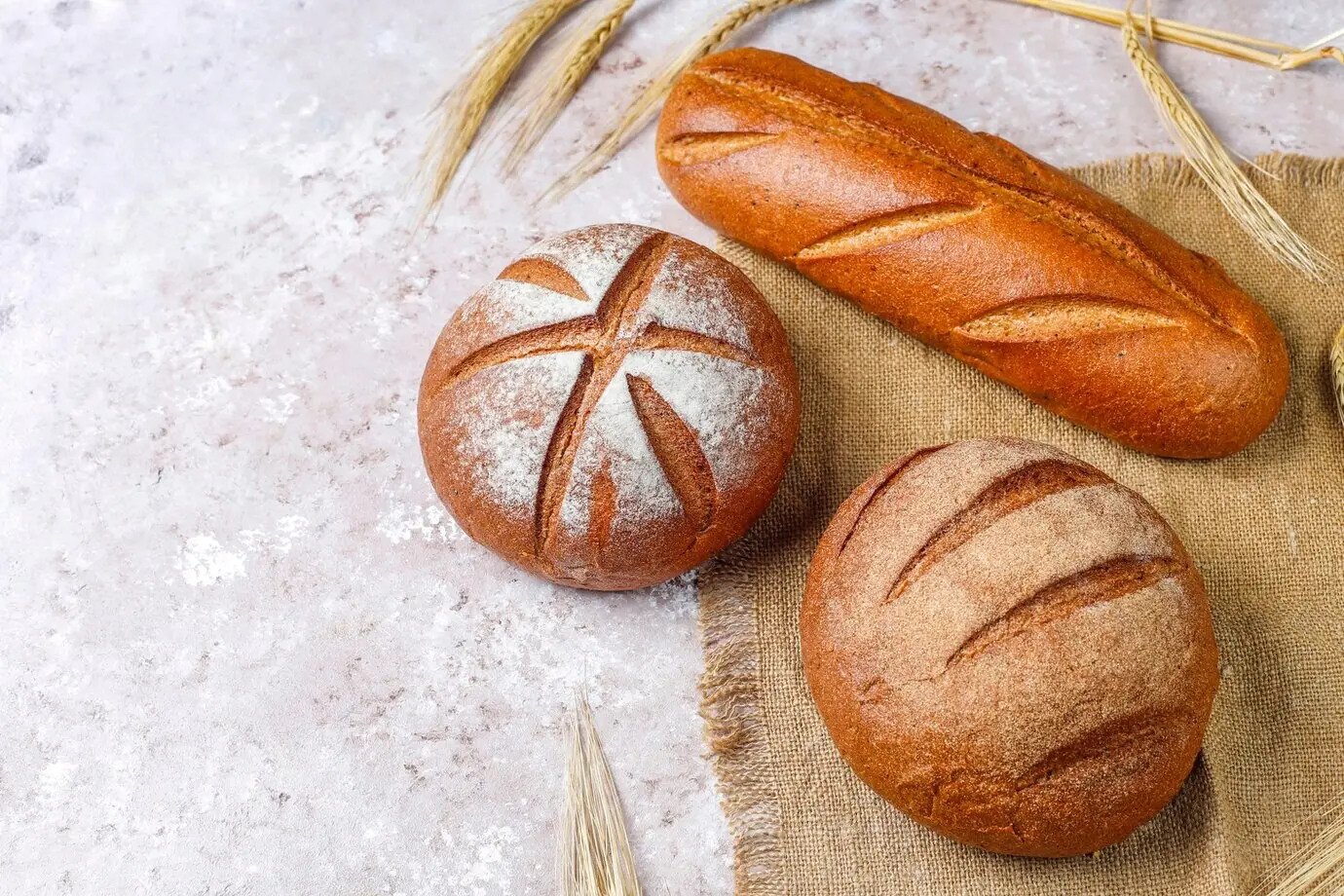
Good planning unlocks freedom: mix once, bake many, and let the week unfold with fresh possibilities. Label containers, time rests around life, and save a little dough for experiments. Share slices with neighbors, invite questions, and swap tricks. Learning accelerates when feedback, curiosity, and warm bread travel together, encouraging generous practice and playful iteration.
Luzupanerififufapozo
Privacy Overview

This website uses cookies so that we can provide you with the best user experience possible. Cookie information is stored in your browser and performs functions such as recognising you when you return to our website and helping our team to understand which sections of the website you find most interesting and useful.