One Dough, Infinite Breads

Today we dive into turning one bread dough into flatbreads, rolls, and loaves across cuisines, using smart shaping, heat, and timing to unlock wildly different textures. Expect practical steps, friendly stories from home kitchens, and adaptable formulas you can memorize, tweak, and share. Bake along, ask questions, and tell us which path you choose first—blistered skillet rounds, cloud-soft dinner rolls, or a proud, crackling loaf that perfumes the whole house.

Building a Reliable Base

Start with a balanced, forgiving dough that behaves kindly whether stretched thin for a quick skillet blister, pinched into tender rolls, or tightened into a springy loaf. A moderate hydration, thoughtful salt, and a calm fermentation window create a dependable foundation. With a simple ratio and a few mindful techniques, one bowl of dough can travel through many traditions, welcoming spices, fats, or toppings without losing structure. Keep your scale handy, your patience steady, and your curiosity wide open.

Shaping for Purpose

Once the base dough is ready, shaping directs its destiny. Gentle handling encourages airy flatbreads, while tension-building creates rounded rolls and proud loaves. A quick bench rest relaxes gluten, making portions easy to roll or coil. Think intention: press gas out for tight crumbs, preserve bubbles for open ones. Your hands translate structure into texture, deciding whether dinner features quick skillet rounds, pull-apart rolls, or a sliceable loaf for tomorrow’s sandwiches and toast.

Flatbread Agility and Speed

Divide into small portions, rest briefly, then roll with minimal flour, rotating often for even thickness that blisters beautifully. Dock if you want fewer bubbles, or leave undocked for dramatic puffs. A light touch preserves tenderness, so resist over-rolling. Keep pieces covered to prevent drying while you work. Slide onto a hot surface quickly. With practice, these rounds become weeknight heroes that welcome herbs, ghee, or garlicky butter without demanding fussy timing.

Cloud-Soft, Tensioned Rolls

Pre-shape into loose rounds, rest, then tighten each piece with gentle tucks to build surface tension and even crumb. Arrange close for pull-apart sides or spaced for all-around crust. Proof until a soft poke springs back slowly. Brush with milk, butter, or egg for sheen and flavor. Baked well, they carry soups and stews, host sliders, or dazzle as warm table companions. From the same dough, you earn a bakery basket’s worth of softness.

Everyday Loaves with Character

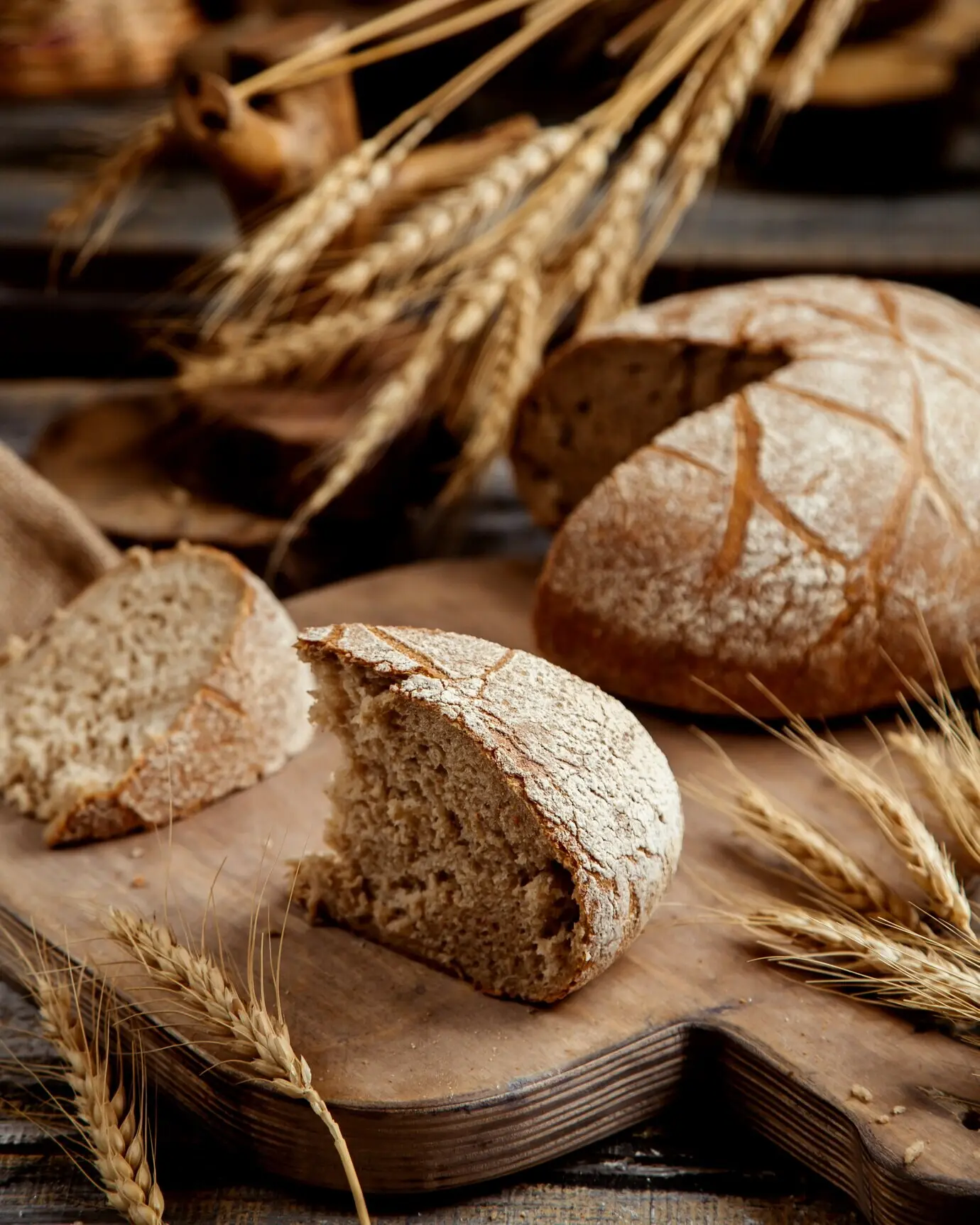
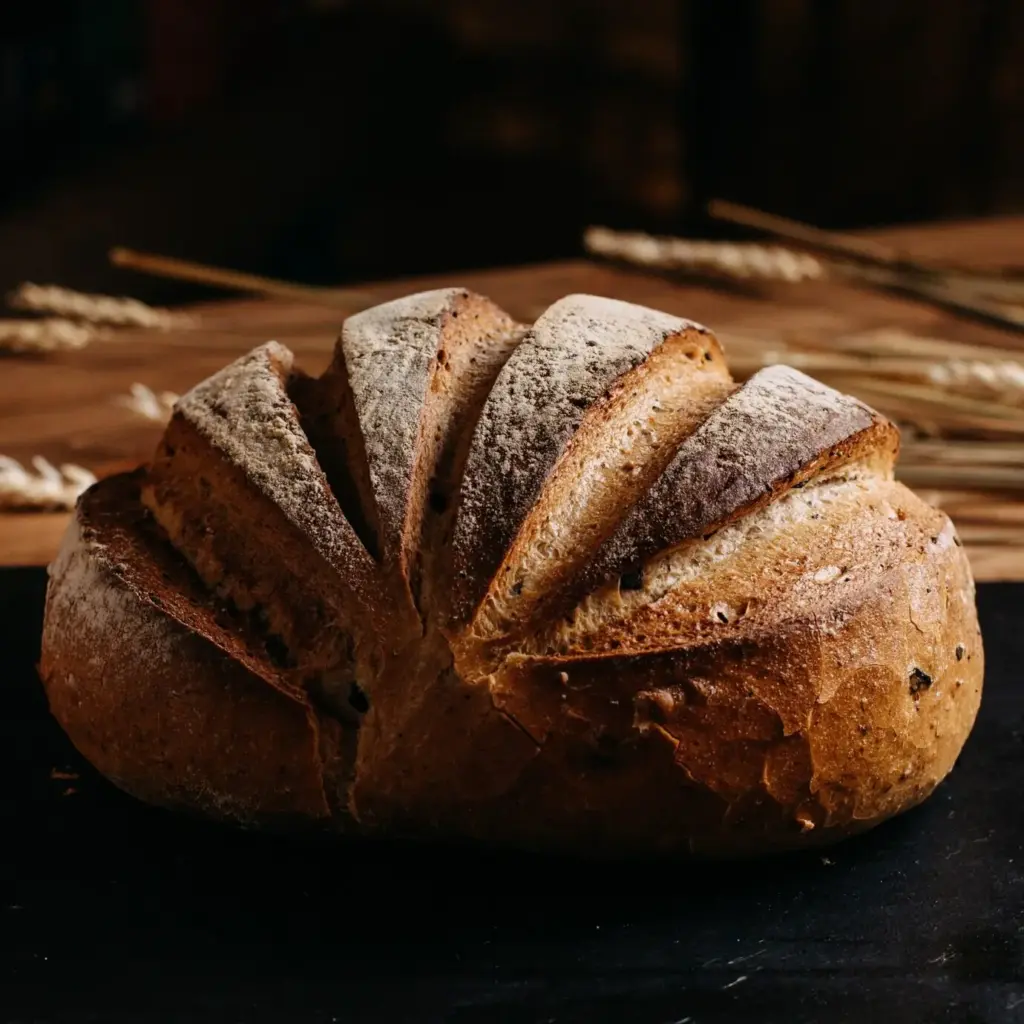
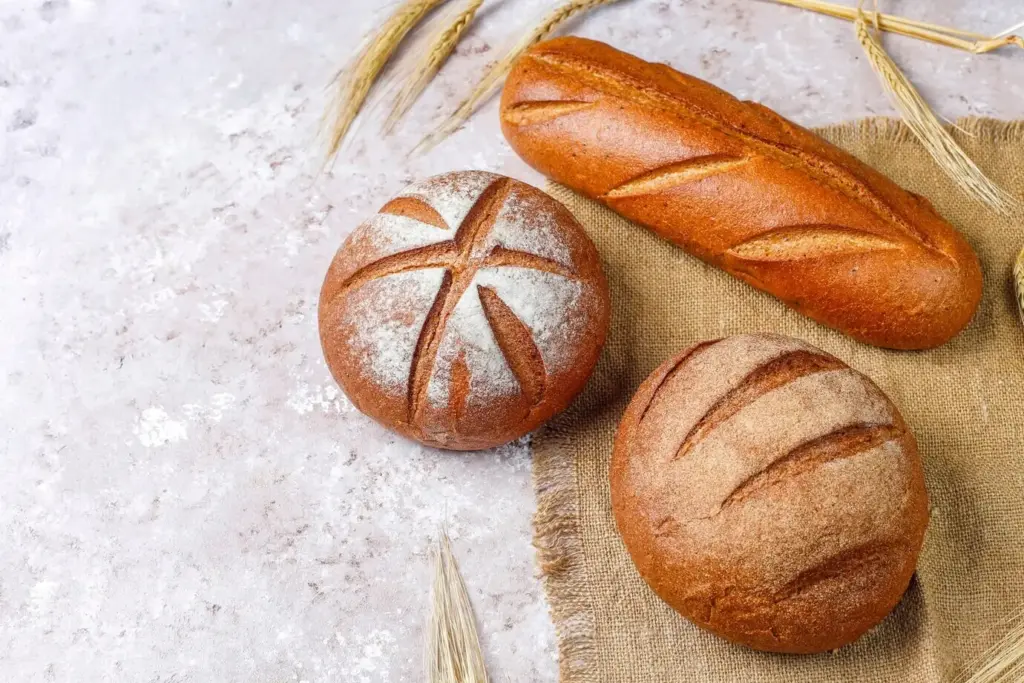
Shape into a taut batard or snug sandwich loaf, sealing seams to maintain structure. For freeform baking, use a preheated stone and confident scoring to guide expansion. For pan loaves, smooth the top and proof until slightly crowned. Steam early for lift, then vent for a crisp crust if desired. Sliceable, sturdy, and friendly to toasters and lunch boxes, this loaf inherits the base dough’s balance, becoming a reliable ritual in your weekly bake.

Fermentation, Time, and Flavor

Room Temperature Rhythm vs Fridge Calm

At room temperature, the dough perks up quickly, perfect when you crave fast flatbreads with lively springs and tender chew. Move a portion to the refrigerator to slow fermentation, strengthening gluten while layering flavor. The next day, shaping becomes easy and responsive. This flexible timeline means one mixing session fuels several meals, meeting real life’s schedules. Let temperature be your quiet assistant, adapting the same dough to urgent hunger and leisurely weekend projects.

Preferments that Travel Across Styles

A quick poolish offers delicate sweetness and open crumb, great for airy rounds or light rolls. A yogurt-based pre-mix adds tenderness reminiscent of naan. A small tangzhong introduces plushness without stickiness, benefiting buns and sandwich loaves. You can rotate these accents week to week, keeping variety alive while retaining a familiar base. Preferments act like gentle accents rather than dramatic overhauls, ensuring the dough stays versatile enough to explore many plates and traditions.

Balancing Salt, Sweetness, and Fermentation Pace

Salt regulates yeast and defines flavor, so keep it consistent for dependable proofing across shapes. A hint of sugar speeds browning for rolls, while honey or malt enriches aroma in loaves. Adjust quantities thoughtfully, knowing extra sweeteners can quicken activity and tenderize crumb. Tasting your dough at different stages teaches intuition. With balance, you achieve crisp blistered rounds, golden dinner rolls, and fragrant loaves, all springing from the same patient, well-seasoned fermentation journey.

Heat, Surfaces, and Steam

Heat choice transforms outcomes. A ripping-hot skillet makes blistery rounds in minutes. Stones and steels amplify oven spring for loaves, while Dutch ovens trap steam for dramatic lift and shiny crusts. Rolls appreciate steady, moderate heat and occasional steam for softness. Even the same dough speaks different languages on cast iron, grill grates, or a bread pan. Understanding how surfaces store and release heat gives you control over chew, crackle, and tenderness every time.

From Pita Pockets to Golden Pide

For pitas, roll evenly and bake on a blazing stone to inflate pockets that cool into split-ready bread. For pide, shape boat-like with rimmed edges, glaze with egg, and sprinkle sesame or nigella. A little olive oil enriches flavor while docking controls bubbles. Both share the same base, yet feel worlds apart at the table. Serve with mezze, soups, or salads, and watch each variation tell a different, delicious story of heat and form.

Dinner Rolls, Knots, and Pull-Aparts

Twist strands into knots, tuck butter for Parker House folds, or cluster balls into a pull-apart pan crowned with herbed butter. A touch more sugar promotes golden tops, while milk provides softness. Finish with garlic, parmesan, or flaky salt. Though shaped for comfort and shareability, these rolls originate from the same adaptable dough. Their transformation proves how intention and arrangement recalibrate texture, turning modest ingredients into heartfelt centerpieces that guests reach for repeatedly.

Loaves with Seeds, Swirls, and Shine

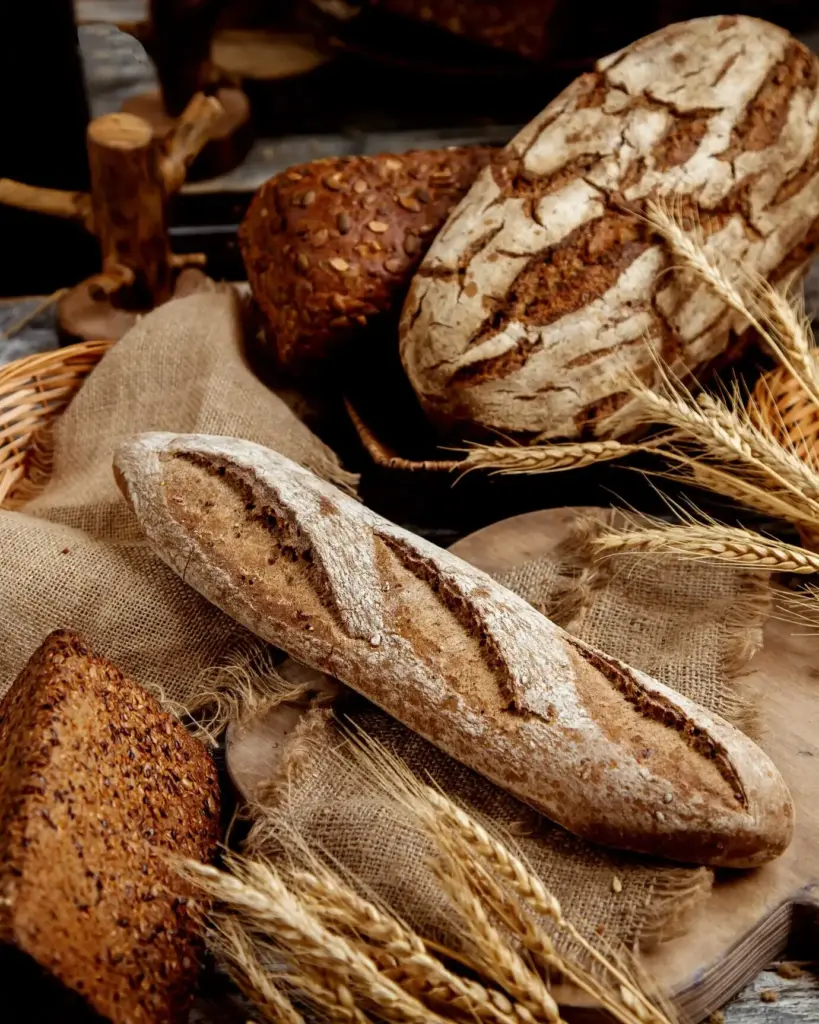
Coat a batard with sesame, sunflower, or poppy seeds for crunch, or swirl herbs and olive oil through a pan loaf for savory ribbons. Score patterns to guide expansion and add personality. Apply milk or egg for glossy sheen, or bake dark for rustic charm. Sliced thin for sandwiches or thick for toast, each loaf reveals how small flourishes and good heat choices amplify the same dough’s character into something both familiar and freshly surprising.

Make-Ahead, Storage, and Serving

Plan once, eat well all week. Mix a generous batch, portion it, and chill what you won’t use today. Flatbreads freeze beautifully after par-bake, rolls reheat tender with a quick steam, and loaves slice easily after a rest. Label dates, note hydration tweaks, and keep flavor notes. Share your schedule or questions with our community, and subscribe for new weekly variations that keep the ritual alive without complicating busy days or crowded ovens.

Timing a Busy Week with Ease

Mix on Sunday, cook skillet rounds on Monday, proof rolls midweek, and bake a loaf for weekend brunch. Divide dough early to control fermentation, and keep portions chilled until needed. Warm gently before shaping so gluten relaxes. This rhythm transforms one effort into multiple meals, reducing stress while boosting variety. Tell us how you plan your bakes, and we’ll suggest tweaks that fit work, family dinners, and spontaneous cravings without sacrificing flavor or texture.

Freezer Strategies that Truly Help

Freeze dough balls individually on a tray, then bag and label with date, hydration, and intended use. Thaw overnight in the refrigerator, then bring to room temperature before shaping. Par-bake flatbreads and cool completely before freezing for lightning-fast dinners. Wrap rolls tightly to prevent freezer burn, and refresh with a quick steam or oven reheat. Smart freezing stretches your efforts, turning one mixing session into reliable, delicious backups ready whenever hunger or guests appear.
Luzupanerififufapozo
Privacy Overview

This website uses cookies so that we can provide you with the best user experience possible. Cookie information is stored in your browser and performs functions such as recognising you when you return to our website and helping our team to understand which sections of the website you find most interesting and useful.