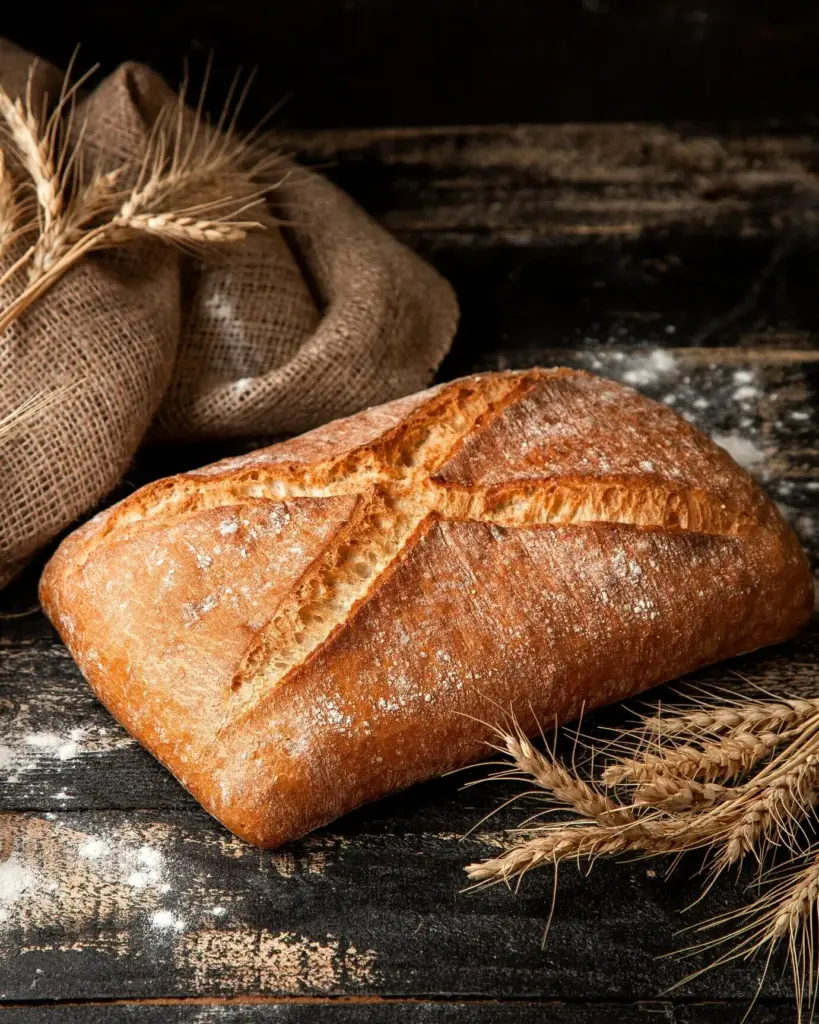
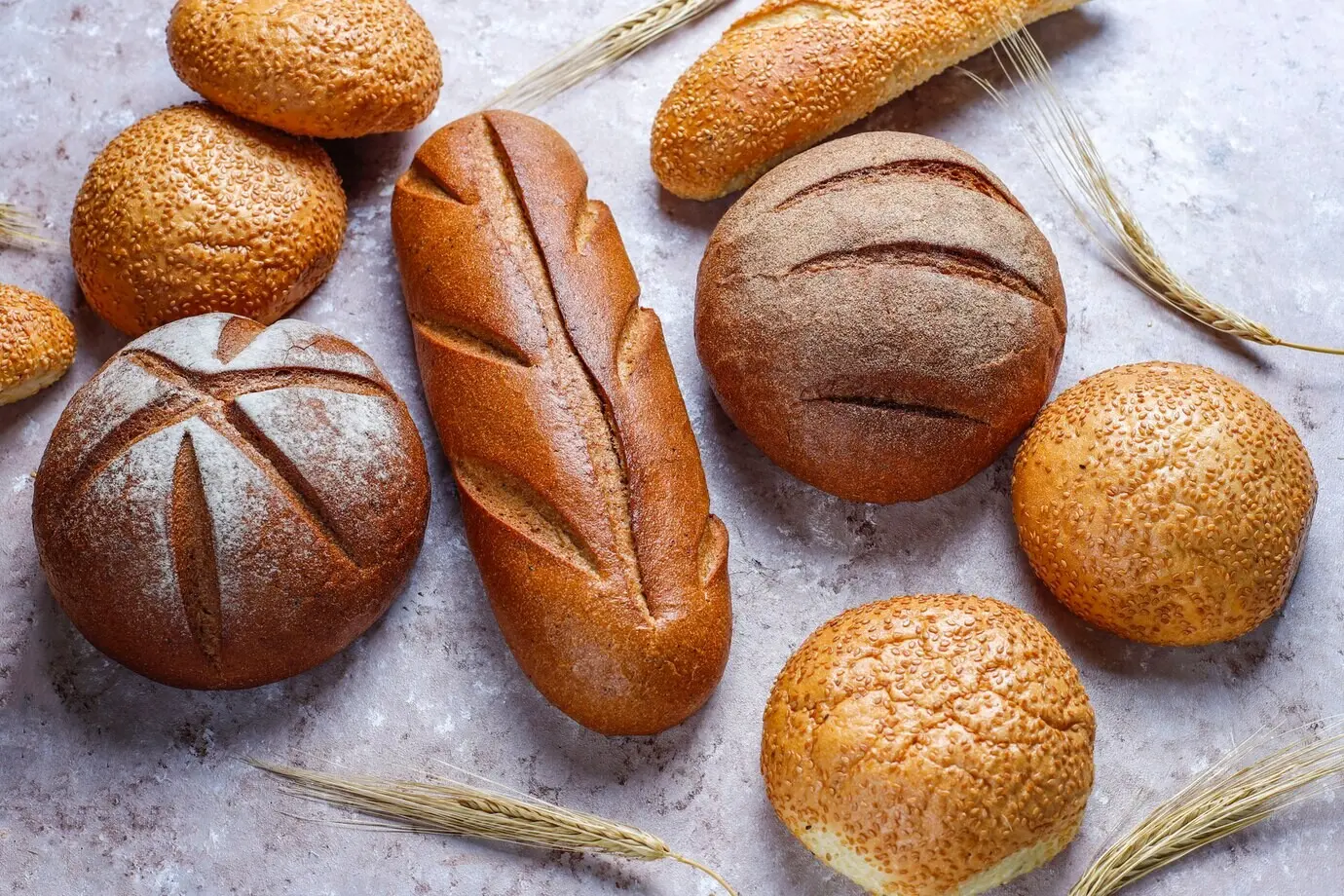
Steam, Steel, and Crust: A Single-Dough Journey in the Home Oven

Join an experiment-minded bake where we explore home oven steam and baking surface tests using one consistent bread formula to isolate variables, compare outcomes, and learn practical techniques that lift oven spring, deepen color, and sharpen crackle. Expect clear steps, measurable checkpoints, and gentle encouragement to adapt findings to your unique kitchen.

Designing a Fair Test with One Reliable Dough

Consistency makes comparisons meaningful, so we’ll use a simple lean dough across every bake and hold everything else steady. That means identical dough temperatures, fermentation stages, preshape and proof times, scoring patterns, preheat length, and rack positions, ensuring any noticeable differences reflect steam strategy or baking surface rather than unintentional shifts in handling, timing, or ambient conditions.

The Baseline Formula

Choose a balanced formula that behaves predictably: 70% hydration, 2% salt, and either 0.2% instant yeast or a mature sourdough culture adjusted to similar fermentation tempo. Mix until moderate gluten development, rest with one or two folds, bulk until risen and lively, shape consistently, and proof to the same firmness so test results isolate equipment and steam differences.

Controlling Variables

Small changes compound. Keep flour brand, water temperature, dough yield, mixing time, room temperature, and even bench rest within tight ranges. Score the same pattern at the same angle and depth. Preheat equally for every run. Document timings with a timer, and capture photos against a ruler to verify bloom, height, and surface color objectively.

Data You Can Measure

Beyond feelings, collect numbers. Weigh dough and baked loaf to track moisture loss. Measure loaf height, ear length, and score expansion. Note bottom color using a simple light-to-dark scale. Log crumb openness and uniformity after a full cool. Record aroma descriptors and crust crackle timing while differences remain fresh, making later comparisons honest and clear.

Dutch Oven Containment

A heavy, preheated lidded pot traps the dough’s own moisture, creating saturated conditions without extra gadgets. Load carefully onto the hot base, cover for the first phase, then remove the lid to finish coloring. Expect bold ears and consistent spring, though size limits apply. Mind safe handling; radiant heat from cast iron punishes wandering fingertips mercilessly.

Lava Rocks and Boiling Water

Place a sturdy pan filled with lava rocks on a lower rack during preheat, then pour in boiling water at loading. The stones disperse water quickly and resist sudden cooling, producing a strong humidity burst. Beware thermal shock with flimsy pans or glass. Vent after initial expansion to protect crust texture and promote deep, even browning.

Towels, Spritzing, and Ice

Damp towels in a preheated pan release steam steadily, especially when saturated with boiling water moments before loading. Spritzing walls or loaves adds a quick burst yet fades fast. Ice cubes in a hot tray melt and boil progressively. Each approach changes the humidity curve; track which method delivers the cleanest bloom and most lustrous sheen.

Baking Surfaces: Steel, Stone, Cast Iron, and Sheet Pans

Different surfaces conduct and store heat differently, which shapes oven spring and bottom color. High-conductivity materials deliver aggressive energy early, while gentler options even out heat and reduce scorching. We’ll compare steel, stone, cast iron, and inverted sheet pans, noting preheat needs, rack placement, and how each interacts with steam during the critical opening minutes.

Heat, Humidity, and Timing Inside Your Oven

Understanding how conduction, convection, and radiation trade duties empowers smarter decisions. Steam in the earliest stage promotes extensibility; drier air later encourages Maillard reactions and lasting crispness. Convection fans accelerate drying, so consider switching modes. Monitor internal loaf temperature, color, and aroma, and adjust venting or rack height to steer results deliberately toward your preferred balance.

Crust Diagnostics

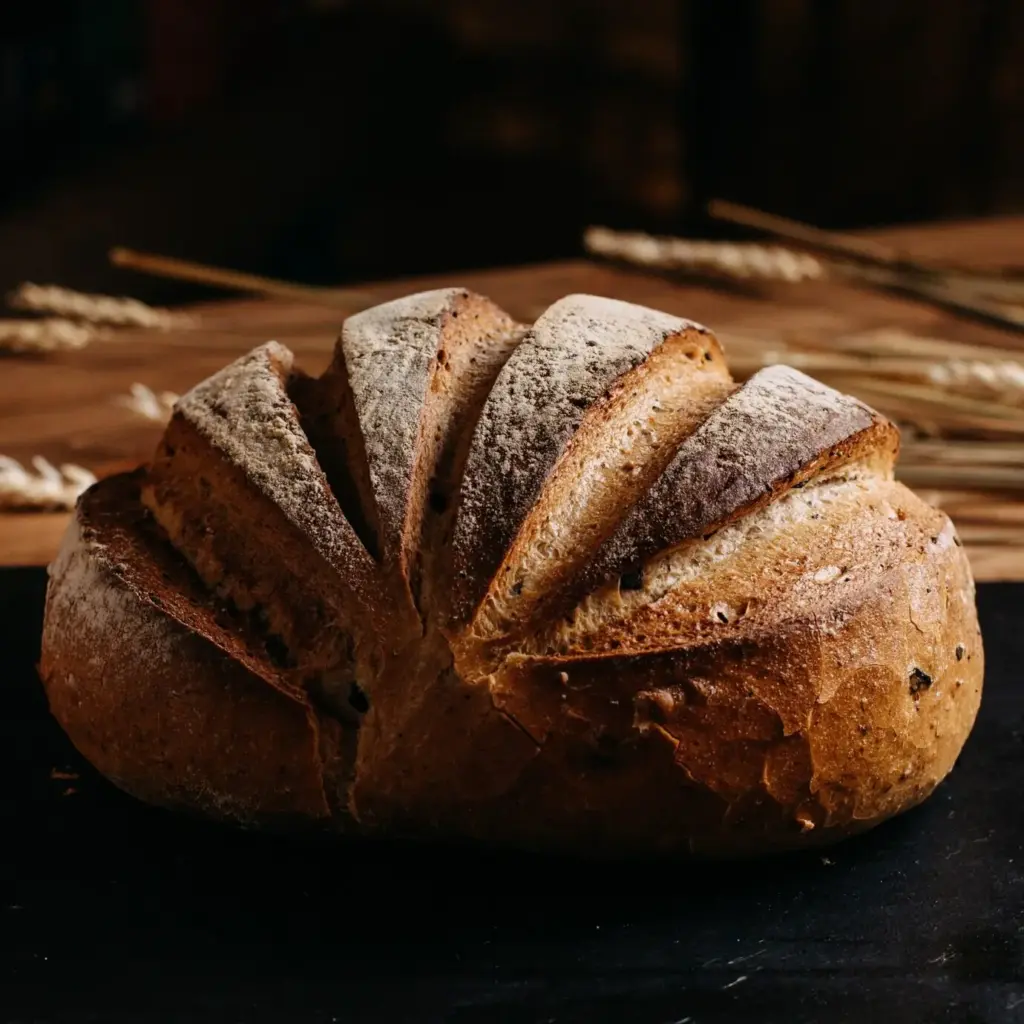
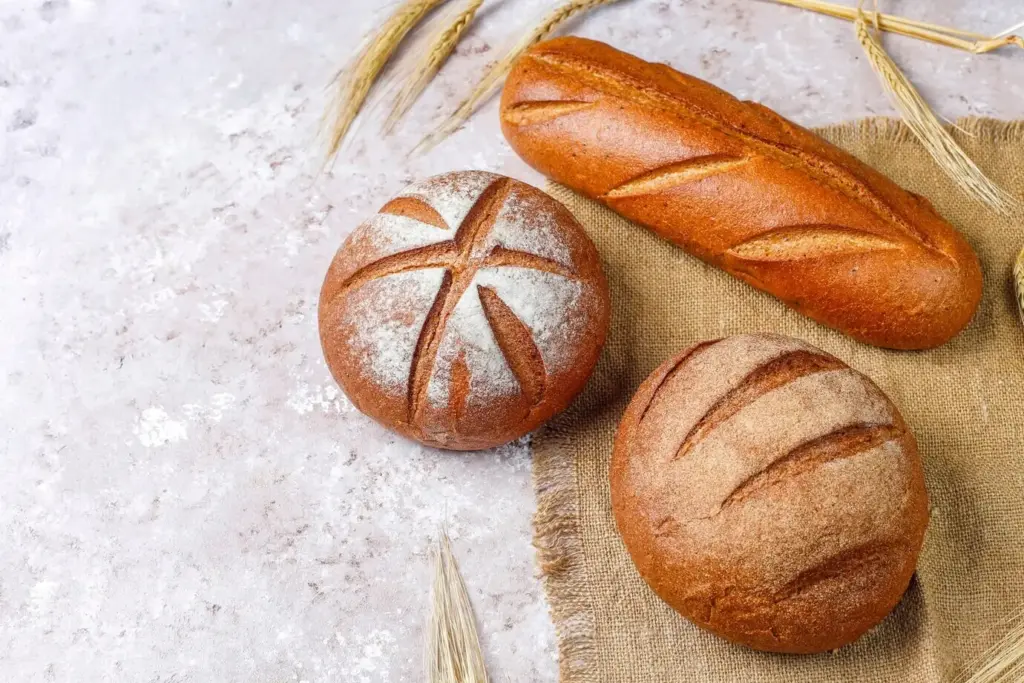
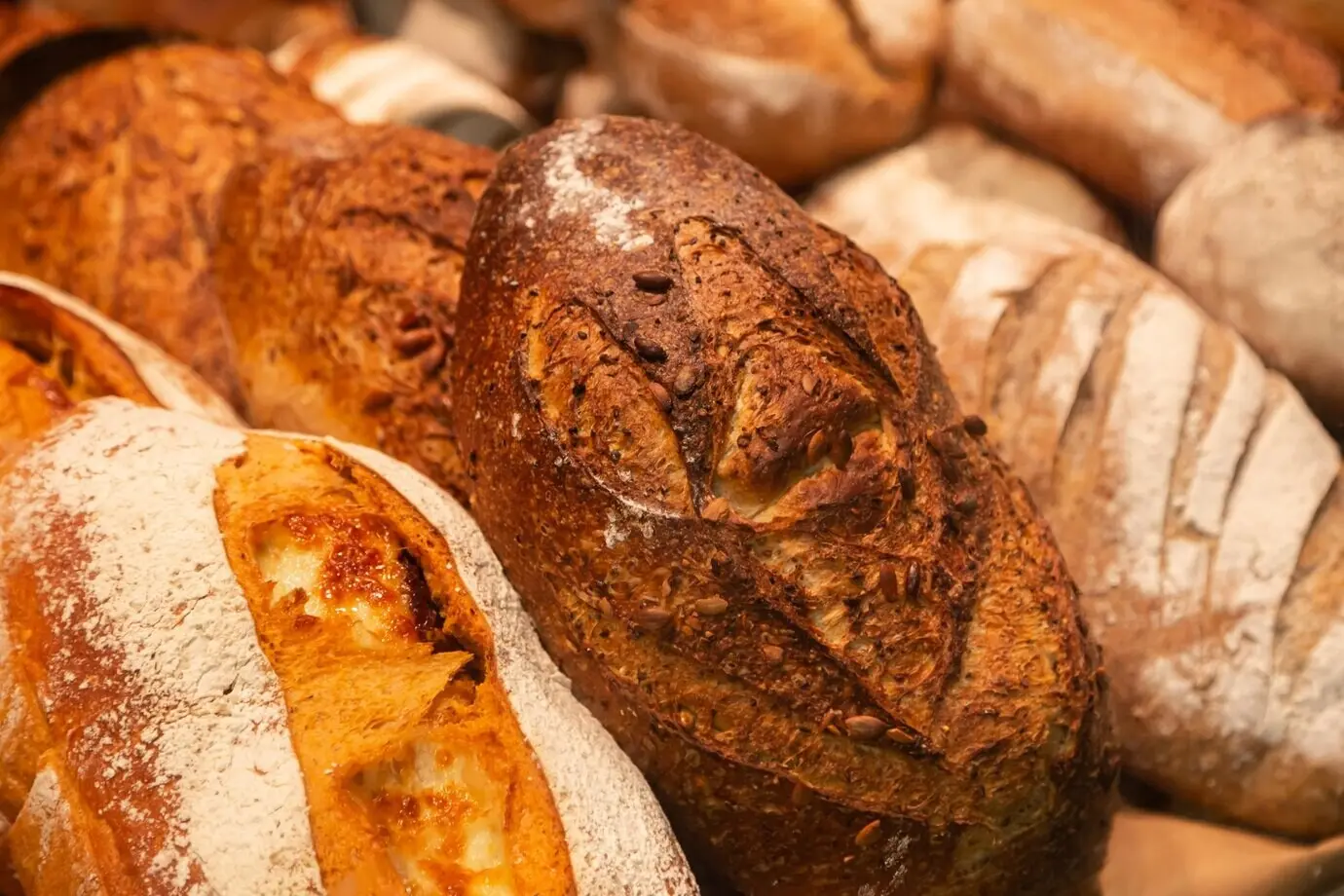
Shiny, thin shells with tiny blisters suggest abundant early humidity, while dull, leathery crusts often indicate insufficient steam or premature venting. Examine ear architecture, color gradients from base to top, and microcracks as loaves cool. Listen for the faint song of crust contracting, noting timing differences that correlate with surface mass and evaporation rates.

Crumb and Fermentation

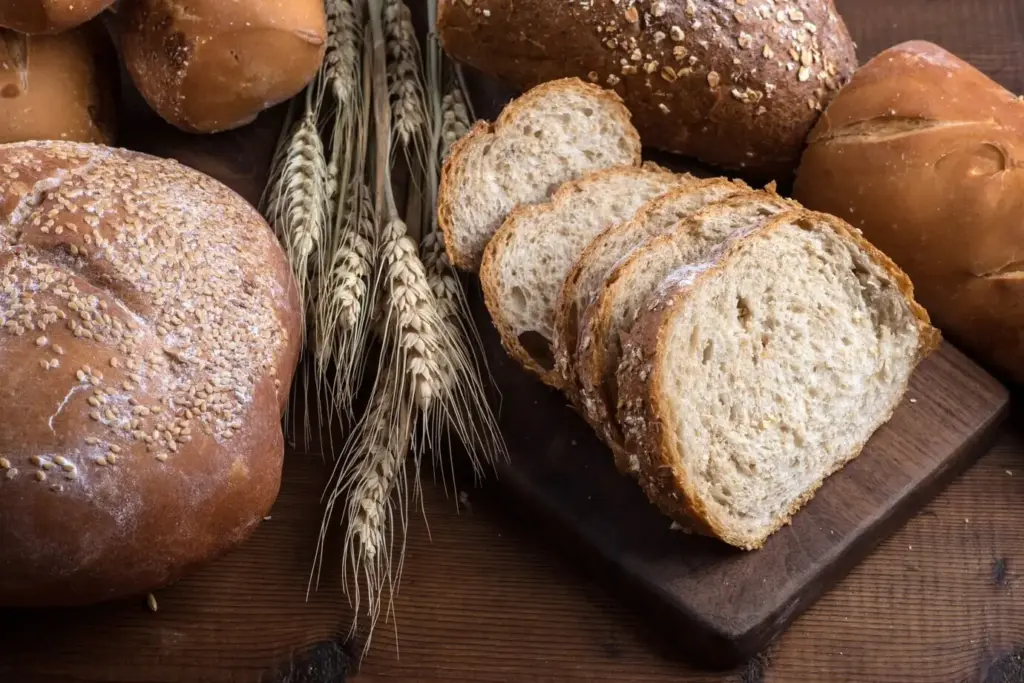
Open, irregular crumb often reflects well-fermented dough and supportive heat, while tight, uneven cells may signal underproofing or harsh bottom energy. Compare walls around the score, areas beneath ears, and zones near the base. Align findings with dough temperature logs and proof tests so equipment adjustments reflect process understanding rather than guesswork or wishful thinking.

Taste and Texture Notes

As crust cools, sugars crystallize and crackle softens slightly, revealing sweetness and toasted cereal notes. Steam-heavy bakes can taste cleaner and stay crisp longer; dry bakes skew chewier. Note chew, brittleness, fragrance, and day-two resilience. Rewarm briefly on a rack to refresh snap, and relate impressions to measurable differences like moisture loss and color.

Safety, Scheduling, and Community Feedback

Working with scalding steam and heavy, blazing-hot metals deserves respect. Prepare your space, clear your path, and wear protection. Plan a predictable timeline that fits daily life, and then share results so others can compare. Your observations help refine methods, inspire newcomers, and build collective knowledge that turns careful experiments into lasting, delicious habits.
Luzupanerififufapozo
Privacy Overview

This website uses cookies so that we can provide you with the best user experience possible. Cookie information is stored in your browser and performs functions such as recognising you when you return to our website and helping our team to understand which sections of the website you find most interesting and useful.