One Dough, Endless Possibilities

Today we explore fermentation time and temperature tweaks using the same dough, discovering how subtle changes in hours and degrees can dramatically transform flavor, texture, and workflow. We’ll compare cold retards, ambient proofs, and warm accelerations while keeping the formula constant, revealing practical methods, sensory cues, and scheduling tricks that make better bread and pizza possible in real kitchens, busy days, and small bakeries without adding exotic ingredients or changing hydration, flour, or salt.

Time, Heat, and the Yeast Dance

Cool and Slow
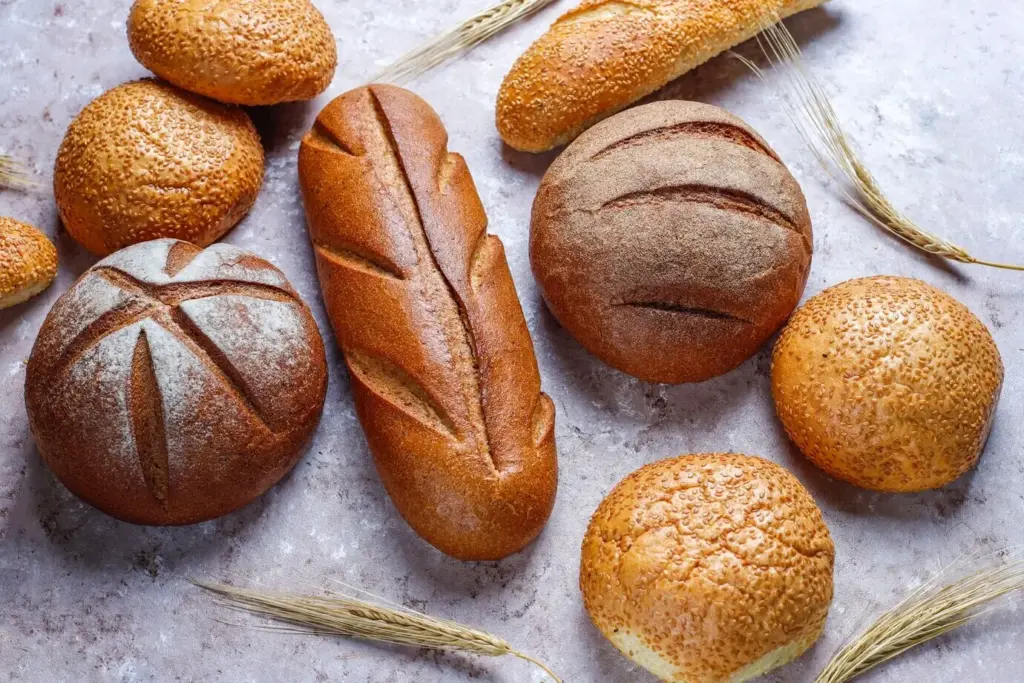
A cold environment between 3°C and 6°C slows yeast and enzymatic activity, favoring gradual sugar development and a measured rise that deepens flavor without collapsing structure. With the same dough, an overnight or multi-day chill builds complexity, encourages gentle gluten relaxation, and extends scheduling flexibility. Expect milder leavening, improved handling, and nuanced aromas that bloom during the final warm-up and bake, producing crisp crusts, balanced acidity, and a crumb that slices cleanly for sandwiches or toast.

Steady and Balanced

Ambient temperatures around 21°C to 24°C deliver a balanced pace ideal for everyday baking. Using the same dough at room temperature, you’ll see predictable doubling times, manageable proofing windows, and clear visual cues like dome expansion, bubbles along the walls, and responsive poke tests. This setting is forgiving, supports consistent oven spring, and creates a mild, honeyed fragrance, making it easier to coordinate meal planning, preheating, and scoring without overcomplicating schedules or requiring specialized refrigeration space.

Warm and Fast

Warmer settings between 28°C and 30°C accelerate fermentation, shortening bulk and final proof dramatically while intensifying yeast activity and CO₂ production. The same dough becomes lively and elastic but risks overproofing if unmonitored. Expect softer acidity, quicker maturation, and heightened sensitivity to timing, meaning your folds, shaping, and scoring should be ready on cue. This approach shines for same-day pizza or flatbreads, delivering speed without sacrificing character when watched closely and cooled promptly after baking.

Shaping Flavor Without Changing the Formula

Cool Ferments, Layered Aromas

Extended cool fermentation nurtures slow enzyme action, unlocking subtle sugars and complex, wine-like aromatics that bloom during the bake. The same dough reveals gentle acidity, caramelized crust tones, and a refined aftertaste reminiscent of toasted nuts and stone fruit. This path supports long, relaxed bulk, steady cold proof, and a final warm-up that awakens yeast at the right moment, yielding balanced salt perception and fragrance that pairs beautifully with delicate spreads or aged cheeses.

Room Temperature, Harmonious Notes

Ambient fermentation balances lactic softness with gentle sweetness, keeping flavors approachable and universally appealing. With unchanged ingredients, you’ll experience a familiar bakery aroma, clear grain character, and a comfortable salt profile that works across sandwiches, soups, and salads. The method suits everyday routines, offering dependable flavor development without long waits. The result tastes bright yet rounded, inviting diverse toppings and making leftovers particularly versatile for croutons, breadcrumbs, or next-day panini without noticeable staling harshness.

Warm Proofs, Fresh Cereal Brightness

When warmth speeds fermentation, the same dough leans toward fresh cereal and buttery biscuit notes with a gentle sweetness that shines in same-day bakes. The aroma is immediate, the crumb tender, and the crust lightly blistered if steam and heat are timed well. Careful monitoring avoids over-acidification or collapse, preserving clean flavors ideal for quick pizzas, dinner rolls, and flatbreads where toppings or fillings deliver complexity and the base provides supportive, inviting simplicity.

Crumb, Chew, and Oven Spring

Structure responds directly to your timing and temperature choices. Cool, slow ferments relax gluten for an open, lacey crumb; ambient schedules produce balanced alveoli; warm, rapid proofs favor tenderness and quick expansion. Keeping the dough identical isolates how gas retention, degassing events, and bench-rest length influence volume and chew. With consistent shaping and scoring, you can reliably diagnose underproofing or overproofing by crumb sheen, cell size gradients, and ear formation, improving repeatability without constant recipe changes.
Long, cool timeframes encourage partial proteolysis and gentle extensibility, making shaping feel smoother with fewer tears. Your identical dough stretches willingly, accommodating tighter preshapes or bolder batard forms while still maintaining tension. This moderation supports pronounced oven spring, controlled bloom, and graceful ears. When paired with sufficient heat and steam, you’ll achieve crackly crusts and a balanced chew, ideal for rustic loaves that slice well yet remain resilient under spreads, soups, and hearty fillings.
Gas pockets grow differently at varied temperatures, so learning to read the dough eclipses stopwatch reliance. Use wall bubbles, domed surface sheen, gentle jiggle, and spring-back tests to judge readiness. By keeping the dough formula unchanged, you’ll notice how cooler proofs demand more patience, while warmer conditions compress windows. These observations support precise scoring angles, confident loading, and predictable bloom, minimizing blowouts or tight crumb that often arise from timid proofs or rushed bench rests.

Your Fermentation Clock

Managing time is the craft of fitting bread into life. By altering only temperature and hours, you can bake predictably between meetings, school runs, or late dinners. Plan bulk to coincide with commutes, use the refrigerator as a pause button, and lean on warm spots to catch up. The identical dough becomes a scheduling canvas, empowering you to produce impressive results midweek or on lazy Sundays, all while learning which intervals your kitchen and flour prefer most.
Divide one mixed dough into three containers: refrigerate one, leave one at room temperature, and keep one slightly warmer near an oven light or proof box. Track rise height, aroma changes, and surface bubbles at set intervals. Bake all on the same day, recording crumb, crust, and taste differences. This hands-on comparison isolates how time and temperature alone shape outcomes, building intuition faster than charts and ensuring your notes translate into dependable, personal, repeatable schedules.
Mix in the evening, give a short room-temperature bulk to start gluten development, then refrigerate overnight to decelerate. Next day, shape straight from the fridge, proof while the oven heats, and bake before dinner. Keeping the dough identical each time makes scheduling predictable, taste consistent, and cleanup minimal. This rhythm minimizes stress, encourages routine, and rewards you with fresh bread that complements simple meals, transforming ordinary weeknights into quietly special, fragrant, and restorative kitchen moments.

When It’s Underproofed

Underproofed dough feels tight, springs back quickly, and often tears during scoring, producing dense crumb with small, uneven cells. Slow down and extend time at a slightly warmer setting, or add a short bench rest to relieve tension. Keeping ingredients unchanged helps you recognize these patterns faster. Watch for relaxed surface sheen, gentle jiggle, and more responsive spring-back. With practice, your timing becomes intuitive, and the oven rewards you with controlled expansion and glossy, lacey interiors.

When It’s Overproofed

Overproofed dough looks slack, overly bubbly, and collapses after a poke, often baking with poor oven spring and pale crust. Rescue efforts include brief degassing, reshaping to rebuild tension, and a short cold rest to strengthen the surface. Maintain identical dough formula so you can notice cause and effect against time and temperature changes. Accept occasional compromises on volume, but celebrate improved flavor and still-pleasing texture, learning to avoid repeat mistakes through clear, timely, written observations.

Managing Temperature Drift

Kitchens fluctuate with seasons, ovens, and drafts. Place dough away from direct sunlight, track ambient with a thermometer, and use coolers, fridges, or proof boxes to stabilize conditions. If a batch runs hot, shorten bulk and lengthen cold proof. If it’s sluggish, add gentle warmth and extend folds. By keeping the dough formula identical, you isolate the effect of adjustments, building reliable instincts that allow you to bake beautifully through summer heatwaves and winter chills alike.

Dough Temperature Targets

Calculate a desired dough temperature that aligns with your timeline. Adjust water temperature to compensate for flour, room, and friction heat. Verify immediately after mixing with a calibrated thermometer. With the same dough formula, you’ll quickly see how hitting target temperature sets fermentation pace, reducing surprises. Over time, these intentional choices compound into predictable bakes, smoother folds, and scoring confidence that reflects your control rather than luck or guesswork in a changing kitchen environment.

pH and Acidity Clues

For sourdough, a simple pH meter or high-quality strips connect acidity to strength, extensibility, and flavor. Cool, slow ferments often trend toward brighter acidity, while warmer proofs produce milder profiles. Track pH during bulk and final proof to correlate taste with handling. Keeping the dough constant isolates these relationships, helping you hit preferred ranges reliably. The result is a confident bake that matches your palate and texture targets, batch after batch, under varied seasonal conditions.

Aliquot Jar and Rise Tracking

Reserve a small portion of dough in a narrow jar to monitor rise percentage and bubble development without disturbing the main mass. Note key thresholds for your kitchen—perhaps 50% for shaping, or 80% for final proof readiness. With the formula unchanged, these markers become dependable landmarks. They transform vague intuition into precise checkpoints, guiding scoring timing, steam decisions, and bake temperatures that translate fermentation progress into proud ears, open crumb, and satisfying, repeatable crust character.

Stories, Notes, and Community

Baking memory lives in notebooks and conversations. When you hold the dough recipe steady and only adjust time and temperature, your notes suddenly make sense across seasons and ovens. Share observations with friends, compare cold versus warm proofs, and swap schedules that fit workdays. These dialogues reveal shortcuts, inspire experiments, and build confidence. Join our mailing list, leave comments, and ask questions so we can refine techniques together and celebrate each loaf’s unique path from bowl to table.

A Kitchen Tale of Two Loaves

One Saturday, a baker split a single dough. Half slept in the fridge; half rose on the counter. The chilled loaf sang with caramel crust and gentle tang; the warm-proofed loaf delivered tender crumb and instant aroma. Same ingredients, different paths, both delightful. The side-by-side created lasting intuition, proving that small adjustments in hours and degrees can align perfectly with errands, guests, or late dinners without sacrificing beauty, flavor, or the joy of cutting into crackling crusts.

Share Your Results

We invite you to post photos, crumb shots, and notes describing your time and temperature choices using the same dough. Tell us what worked, where you hesitated, and which cues proved decisive. Your insights help others decode fermentation, reject unnecessary complexity, and embrace flexible scheduling. Together we’ll evolve reliable playbooks that demystify variables and deliver breads and pizzas that satisfy both weekday pragmatists and weekend dreamers who crave fragrance, texture, and flavor that feel personally crafted.

Subscribe and Experiment Together

Subscribe for practical experiments you can run with one batch: split containers, varied temperatures, synchronized bakes, and clear checklists. We’ll send simple charts, tasting prompts, and scheduling templates that meet real-life constraints without recipe gymnastics. Keep the dough constant, and let time and temperature teach you. Reply with questions, bring your triumphs and challenges, and help shape future guides that turn curiosity into confidence, batch after batch, season after season, oven after oven, crumb after crumb.
Luzupanerififufapozo
Privacy Overview

This website uses cookies so that we can provide you with the best user experience possible. Cookie information is stored in your browser and performs functions such as recognising you when you return to our website and helping our team to understand which sections of the website you find most interesting and useful.