One Dough, Endless Textures

We’re diving into shaping and scoring trials from a single base dough for texture control, exploring how small decisions create big differences. With one consistent mix, we’ll vary form and cut, then observe oven spring, crumb openness, and crust character, translating experiments into clear, repeatable techniques you can master and share.

Designing the Base That Adapts

Before changing shapes or cuts, lock down a reliable foundation. A balanced flour blend, sensible hydration, steady fermentation temperature, and thoughtful salt will keep flavor and strength consistent. By controlling these constants, differences you see later truly belong to shaping and scoring choices, not hidden shifts within the dough.

Shaping Changes Everything

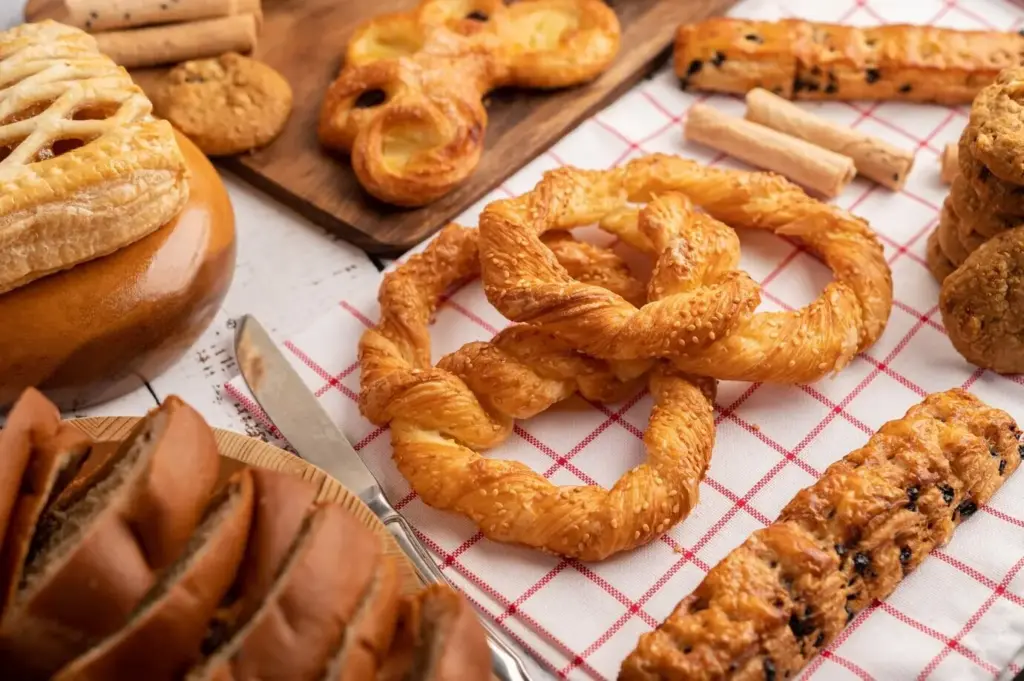
The way you organize tension and geometry redistributes gas, aligns gluten, and sets the future crust. A round stores pressure differently than a long loaf, and a tight surface behaves unlike a relaxed one. By comparing shapes from the same mix, you isolate real textural cause and effect.

Angle, Depth, and Speed

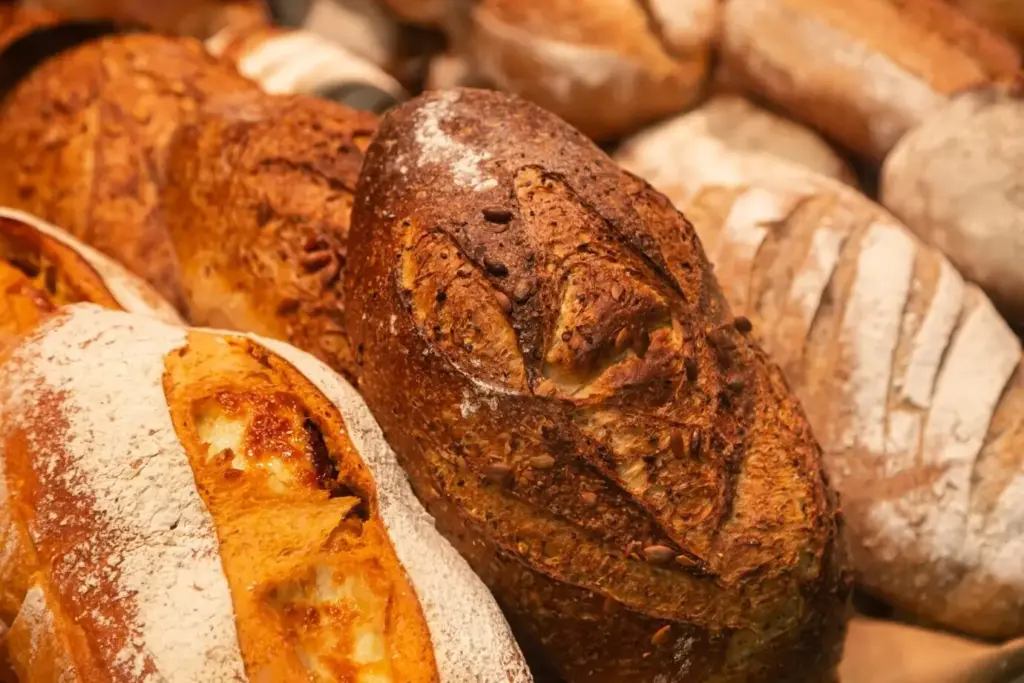
A shallow, low‑angle slash encourages an ear and long bloom; a perpendicular, deeper cut opens wide and fast. Move decisively, without sawing, to avoid dragging skin. Measure depth with a marked lame or toothpick, so repeatability stays high and your conclusions actually mean something.

Patterns with Purpose

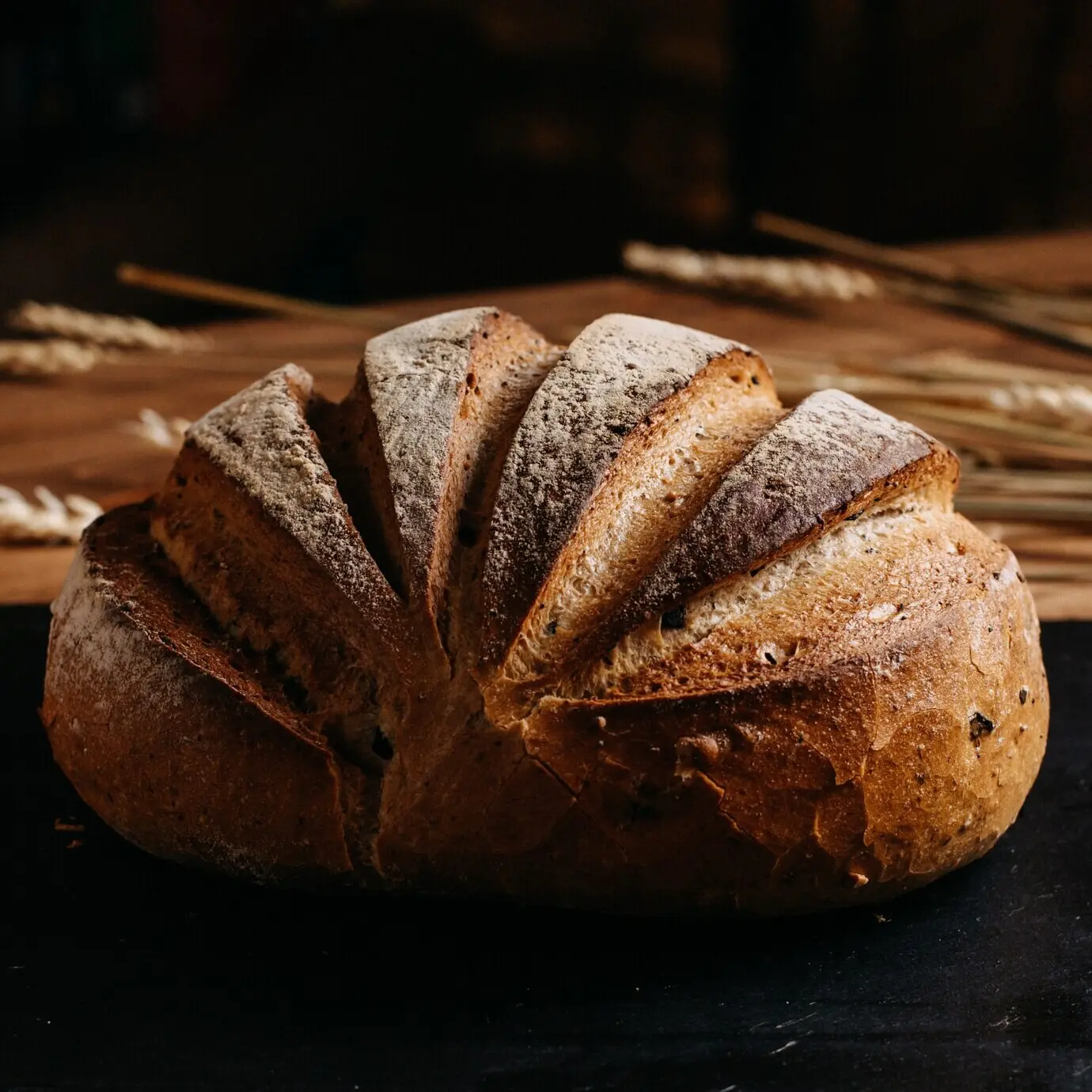
Consider a single guiding slash for long loaves, a box pattern for boules, or delicate wheat stalks when you need controlled venting across the surface. Each arrangement changes stress lines and crust shatter, letting you target fragile crumbs or hearty chew with intention.

Heat, Steam, and Surfaces

The oven completes your decisions. Abundant early steam softens the skin, delaying set and encouraging volume, while dry finishing heat determines blistering and crunch. Stones, steels, and Dutch ovens conduct differently, so pairing the environment with your shape and scoring plan magnifies the outcome.

Measuring Texture Honestly

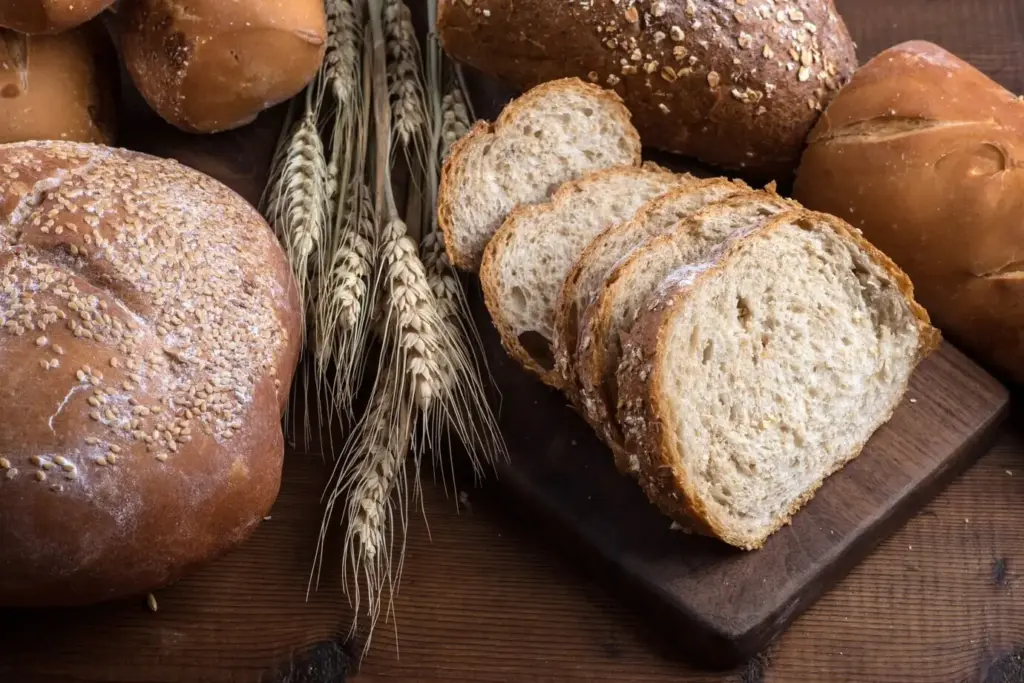
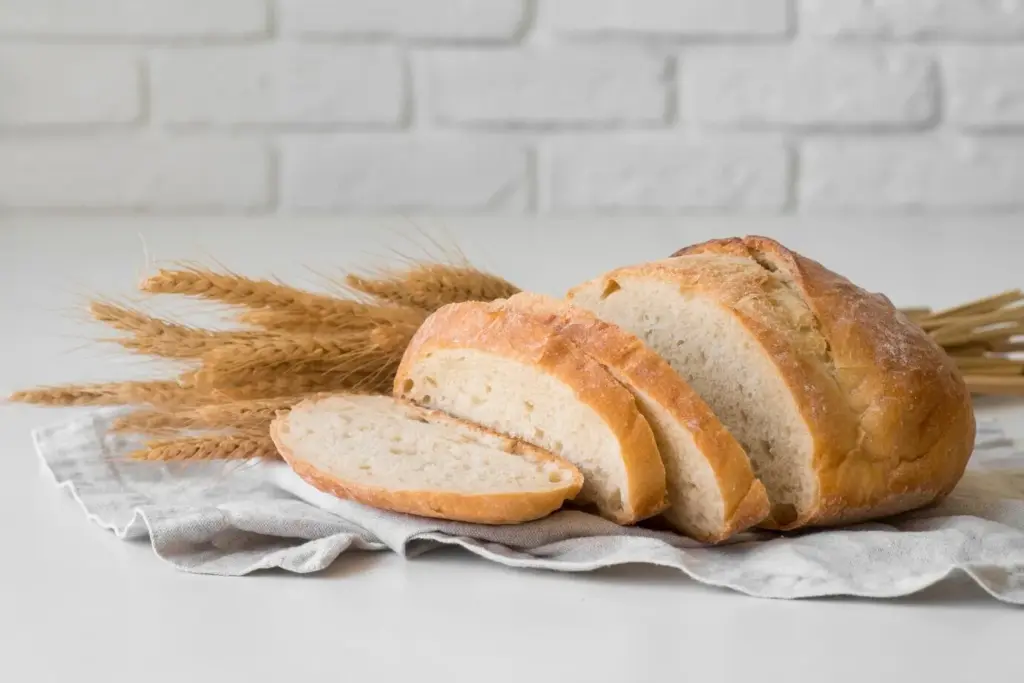
Good experiments deserve good records. Evaluate crumb openness, chew, and elasticity alongside crust acoustics and thickness. Photograph slices, weigh cooled loaves, and sample across days. Simple, repeatable tests make personal preferences visible, transforming guesses into dependable adjustments you can teach, reuse, and confidently scale for any bake.

Iterate, Learn, and Share

Iteration builds skill quickly and joyfully. Keep a notebook, repeat promising pairs, and change only one variable next time. Tell the story of your loaves, including mistakes, because others learn from them too. Invite questions, trade photos, and grow a supportive, curious baking circle together.
Luzupanerififufapozo
Privacy Overview

This website uses cookies so that we can provide you with the best user experience possible. Cookie information is stored in your browser and performs functions such as recognising you when you return to our website and helping our team to understand which sections of the website you find most interesting and useful.