
From One Dough, Infinite Possibilities

Today we are transforming a master dough into savory and sweet variations, turning a simple, reliable base into breads, rolls, pockets, and pastries that feel effortless to adapt. Expect precise techniques, approachable science, and heartfelt stories that make baking welcome at every table. Share your favorite fillings in the comments, subscribe for weekly inspiration, and join a flour-dusted community that celebrates curiosity, kindness, and creativity in the kitchen.

Mastering the Base: Structure, Flavor, Flexibility

A great foundation begins with balanced hydration, the right flour strength, and a modest sweetness that stays friendly to both garlic and cinnamon. We will explore gluten development, salt control, and fermentation windows so the same batch can swing confidently from savory dinner rolls to glossy, fruit-filled buns without tasting confused. This is the gentle center of your baking routine.

Flour, Liquid, and Fat in Concert

Select a medium-strong flour for resilience and tenderness, then adjust water to match humidity and protein levels. Consider milk for softness or water for clarity, and choose butter or olive oil to guide flavor direction. Keep sugar low enough to welcome cheese or berries later. Salt anchors structure and taste, while a touch of fat ensures a tender bite that carries herbs or icing with equal grace.

Yeast Choices, Preferments, and Patience

Instant yeast offers convenience, while active dry loves a warm wake-up in water. A poolish or biga adds complexity, letting flavors bloom even before shaping. Cooler fermentation builds nuance and flexibility in your schedule. Learn to watch dough behavior, not just timers, and trust the volume, smell, and feel. Patience turns a simple bowl of dough into a responsive partner ready for savory or sweet detours.

Kneading, Stretching, and the Windowpane

Gluten development is the quiet choreography behind lofty shapes and silky crumbs. Knead by hand to learn dough cues, or use a mixer for consistent elasticity while avoiding overworking. Incorporate gentle stretch-and-folds during early fermentation to strengthen without tearing. Test the windowpane for translucence, then rest to relax the network. This balance yields structure strong enough for fillings, yet tender enough for sugar glazes or herb butter.

Savory Paths: Herbs, Cheeses, and Vegetables

The savory side invites bold aromas, satisfying textures, and mindful moisture management. Learn how herbs perfume the crumb, cheeses season and enrich, and roasted vegetables bring sweetness without sogginess. Pair salt levels with briny accents, and balance fats for crisp edges. Little adjustments transform the same dough into dinner-ready knots, sheet-pan focaccia, stuffed swirls, or portable hand pies that disappear the moment they hit the table.
Bloom garlic in olive oil, warm rosemary to release its citrusy heart, or steep chili flakes for gentle heat. Strain and cool the oil before adding to the dough for even flavor without raw bits tearing gluten. Consider chopped herbs folded during lamination-like layering to prevent discoloration. The result is fragrance from within, not just on top, making every bite sing long before the first sprinkle of flaky salt.
Grate hard cheeses for even distribution, or fold cubes for pockets that burst with richness. Adjust salt to respect assertive varieties like pecorino or aged cheddar. A light brush of butter or egg wash encourages bronzed edges and crispy frico moments where cheese meets heat. Think balance: enough dairy to delight, not overwhelm. Pair with black pepper, thyme, or lemon zest to keep the flavors bright, layered, and inviting.
Roast vegetables first to concentrate sweetness and drive off excess water. Pat dry sautéed mushrooms, season spinach, and drain juicy tomatoes. Spread thin, even layers to prevent slippage and dense centers. Add a barrier like grated cheese, light béchamel, or seasoned crumbs to keep the crumb springy. Each slice should hold together cleanly, revealing color, aroma, and contrast that make savory baking feel vibrant, honest, and truly satisfying.

Sweet Directions: Sugars, Spices, and Silky Fillings

Combine granulated sugar for lift with brown sugar for moisture and caramel depth. Cinnamon, cardamom, and vanilla travel beautifully through enriched doughs, while lemon zest cuts heaviness. Mix spices with butter to prevent raw pockets. Sprinkle strategically to protect structure, not drown it. The final bite should feel warm, layered, and fragrant, leaving room for a friendly glaze and a lingering aroma that invites curious hands back for more.
Macerate fruit with sugar and a pinch of salt to draw juices, then thicken gently with cornstarch or tapioca so swirls bake cleanly. Balance tartness with citrus and keep pieces small for even distribution. Test consistency on a chilled plate before filling. Aim for a spoonable jam rather than a syrup, preserving the dough’s lift. Every slice should reveal glossy fruit that holds, glistens, and tastes bright instead of soggy or dull.
For fillings that face the oven, temper eggs carefully and consider cornstarch or pastry cream powder for reliability. Whisk until silky, then cool to spreadable thickness. If piping post-bake, stabilize whipped cream with mascarpone or gelatin for shape. Aim for indulgence without collapse. The crumb should cradle richness, while the top invites powdered sugar, toasted nuts, or a gentle glaze that crackles slightly when touched by eager forks.

Braids, Knots, and Twists with Purpose

Use gentle tension to build structure without tearing, keeping strands even so they rise in harmony. Three-strand braids offer classic softness, while twisted ropes add dramatic layers for butter or flavored oil. Tuck ends neatly underneath to prevent unraveling. Knots create chewy centers and crisp edges, excellent for garlic butter or orange glaze. Each motion should feel deliberate, guiding texture, crumb, and the beautiful reveal when you slice or pull apart.

Coils, Rolls, and Pull-Aparts for Sharing

Roll dough into a rectangle, spread filling thinly, then coil tightly for clean spirals. Slice with dental floss to avoid squashing layers. Nest rolls closely for tender sides, or space them for more crust. Pull-aparts invite casual hands and laughter, holding dips or sticky syrups wonderfully. These shapes turn weeknights celebratory and brunches generous, creating moments where steam fogs glasses and people lean closer to tell stories they love.

Pockets, Wreaths, and Filled Rings

Seal savory pockets firmly to keep juices inside, and vent steam with small slits. Shape wreaths by overlapping filled ropes, then proof until plump and light. Rings showcase layers, catching light and glaze alike. Alternate colors—spinach, ricotta, sun-dried tomato—or cherries and pastry cream for festive contrast. When sliced at the table, each piece becomes a little gift, balanced between architecture and comfort, making seconds feel like genuine celebration.

Baking Science: Heat, Steam, and Finishes that Shine

Oven management turns careful mixing into a triumphant crumb. Preheat thoroughly, place racks wisely, and use steam to boost spring without softening crusts past intention. Egg wash versus milk wash matters, as do seeds and sugar granules. Aim for golden confidence and internal temperatures that signal doneness. Cooling sets structure, aromas bloom, and the first slice releases a warmth that remembers effort, curiosity, and the quiet patience of fermentation.
A blazing-hot preheat sets the stage for dramatic oven spring. Add steam early with a preheated tray and hot water, or cover with a pot to trap moisture. Remove steam to finish crisping. Rotate pans halfway for even browning. Track internal temperature—rich doughs often finish higher. These small rituals reward you with lofty crumb, glossy sides, and crusts that snap gently before yielding to tender interiors.
Whisk egg with a splash of milk for deep sheen, or choose milk alone for a matte glow. For sweet bakes, sprinkle coarse sugar that crackles playfully. For savory bakes, press sesame, nigella, or poppy seeds into the surface after washing. Respect bake time so toppings toast without scorching. Finishes are the jewelry of your bread, signaling flavor, texture, and care even before the knife meets the crust.
Pull enriched loaves when the center reaches the right temperature, remembering carryover heat will nudge it higher. A gentle thunk on the bottom should sound hollow without feeling stiff. Cool on a rack to prevent soggy crusts, then wait—aromas intensify, crumb sets, and slices stay neat. Restraint is hard, but it keeps syrups inside spirals and cheese tucked into layers where it melts, stretches, and delights.

Keeping it Fresh: Storage, Reheating, and Reinvention

Good baking continues tomorrow. Learn when to freeze raw portions for future cravings and when to freeze baked goods for quick generosity. Reheat to restore crisp edges and soft interiors without drying. Transform leftovers into croutons, bread puddings, savory breakfasts, or ice-cream companions. Share your reinventions in the comments, subscribe for more practical ideas, and keep that master batch working quietly, kindly, and deliciously for you all week long.

Freeze Smart: Raw Portions versus Baked Goods

Portion raw dough after a brief rest, wrap tightly, and label weights for consistent future bakes. Thaw slowly in the refrigerator, then proof at room temperature. If freezing baked items, cool fully to avoid ice crystals, wrap in layers, and refresh in a moderate oven. This flexibility means warm dinner rolls on Tuesday and sugared swirls on Saturday, all from thoughtful planning that respects structure and flavor.
Reviving Texture without Drying

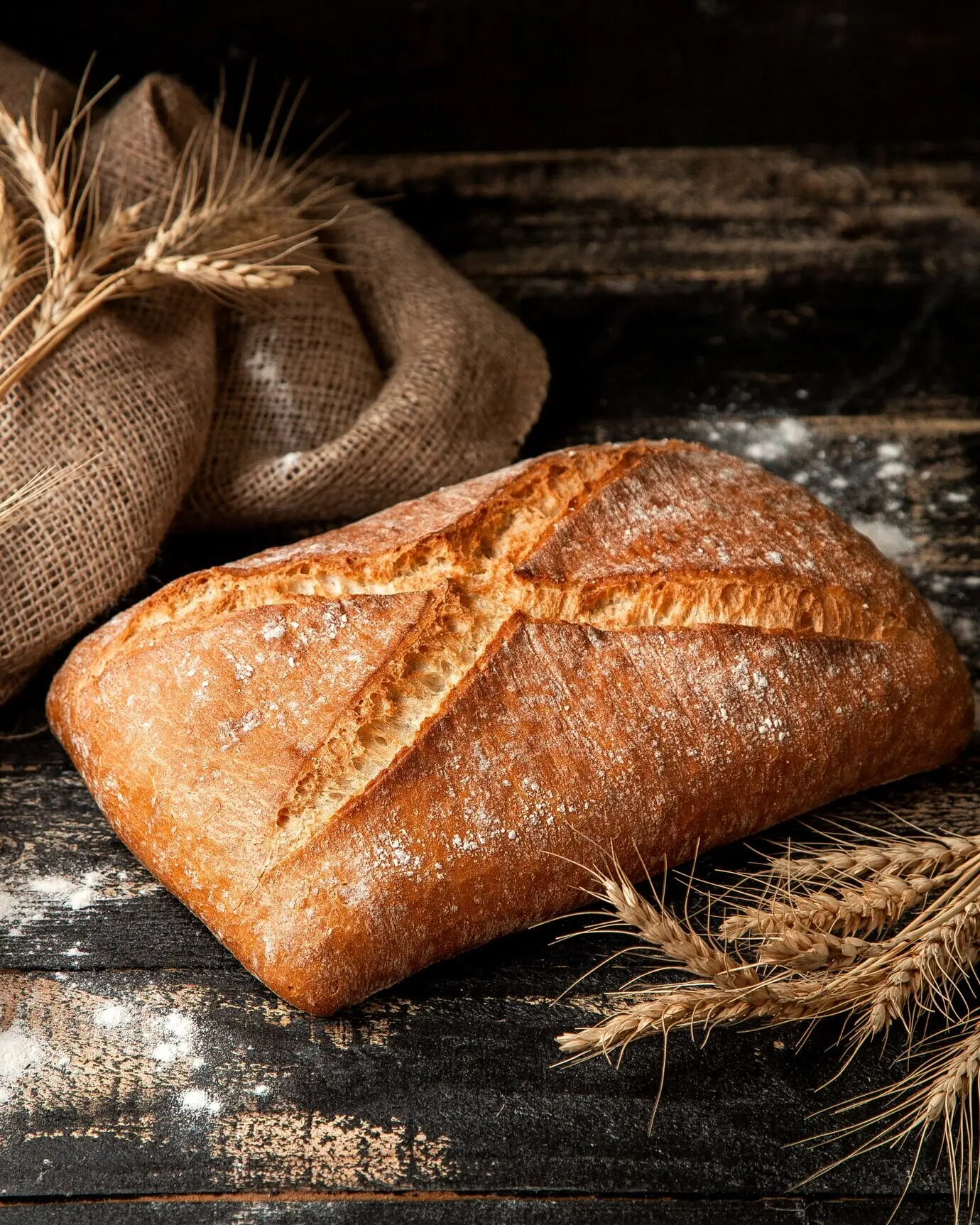
Rescue yesterday’s rolls by misting lightly with water and warming in a hot oven for a few minutes, restoring steam to the crumb. For sweeter buns, tent with foil to protect glazes while heat revives softness. A quick toast in a skillet brings crisp edges for savory slices. Small interventions keep joy alive, proving that yesterday’s bake can still sing with butter, jam, pesto, or a swipe of garlicky oil.
Leftover Magic: Savory Snacks and Sweet Treats

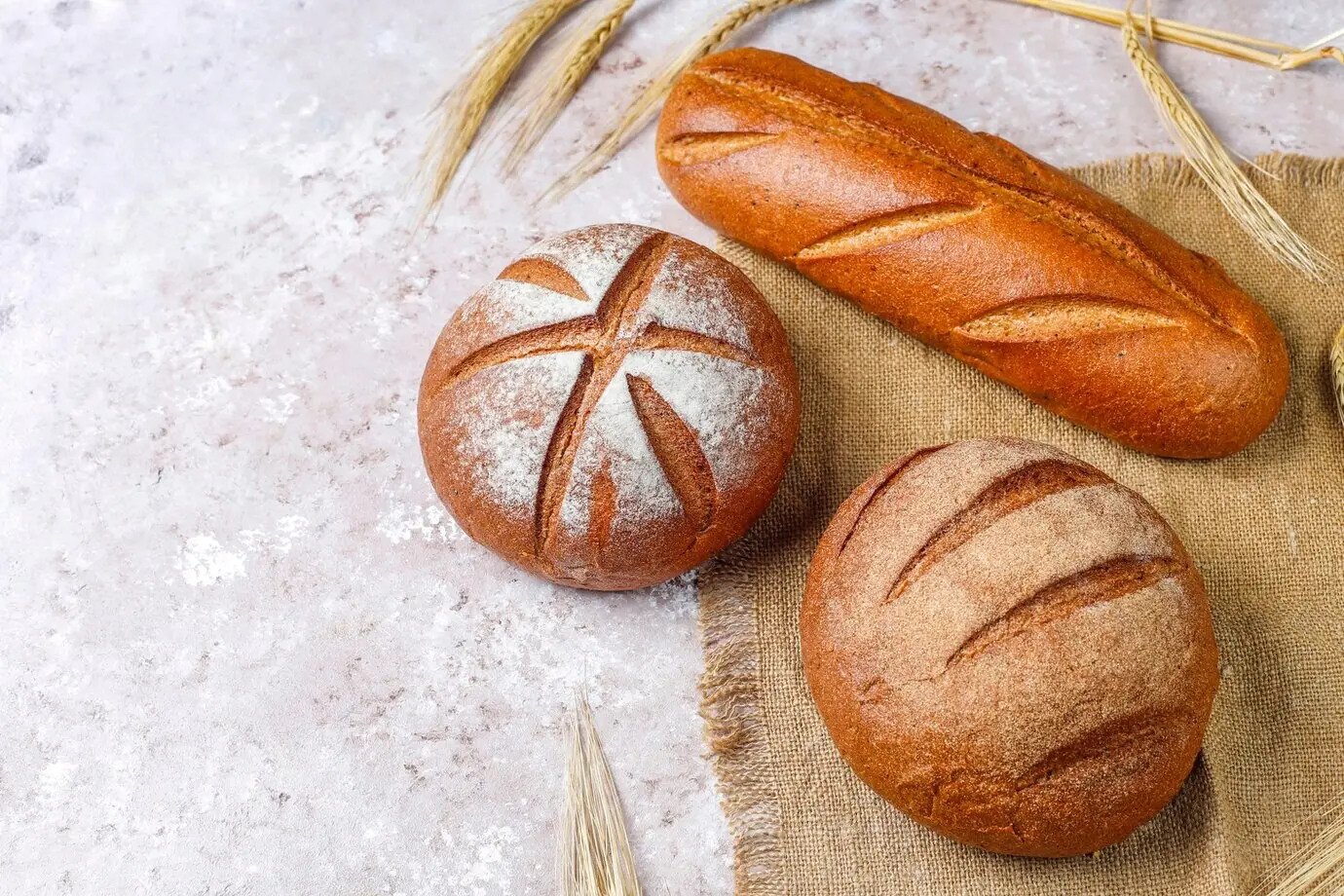
Dice savory rolls into croutons kissed with parmesan and thyme, or press sweet slices into custard for bread pudding that feels generous and golden. Griddle stale pieces in butter until caramelized, then crown with fresh fruit or soft cheese. Use crumbs for stuffed mushroom caps or cheesecake bases. Reinvention beats waste, honoring effort and turning quiet leftovers into new moments worth sharing, photographing, and eagerly repeating soon.
Luzupanerififufapozo
Privacy Overview

This website uses cookies so that we can provide you with the best user experience possible. Cookie information is stored in your browser and performs functions such as recognising you when you return to our website and helping our team to understand which sections of the website you find most interesting and useful.